

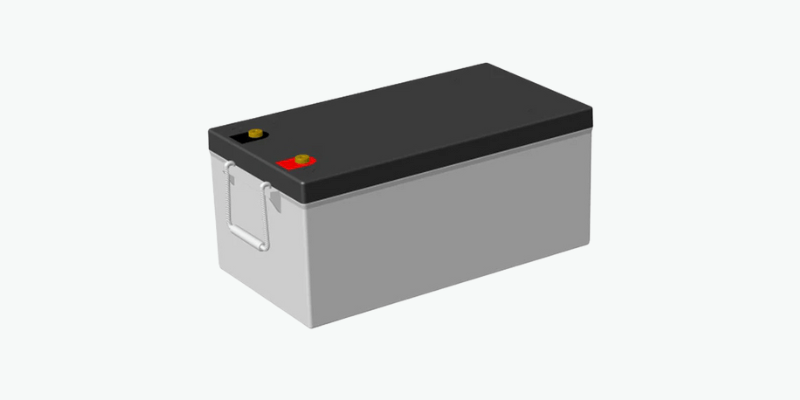
Scegliendo un batteria a ciclo profondo per la tua barca, camper o sistema off-grid può essere travolgente a causa dei numerosi marchi, tipi e dimensioni disponibili. Un'opzione è la batteria 8D – da non confondere con le batterie D-cell per piccoli dispositivi elettronici. Questa guida spiegherà cos'è una batteria 8D, i suoi usi e cosa considerare quando ne si sceglie una.
Cos'è una batteria 8D?
Dimensioni del gruppo di batterie guidare gli utenti a scegliere la batteria giusta in base alle dimensioni fisiche (lunghezza x larghezza x altezza). Dimensioni più grandi di solito significano una capacità maggiore, soprattutto per le batterie al piombo. Il gruppo 8D è la batteria standard da 12 volt più grande con circa 21″ x11″ x10″.
Le loro dimensioni consentono piastre di piombo più numerose e più spesse, con conseguente maggiore capacità (230-300 ampere-ora), maggiori ampere di avviamento (oltre 1.500 ACC) e un peso maggiore (130-180 libbre).
La grande capacità e gli elevati amplificatori di avviamento rendono le batterie 8D ideali sia come batterie di avviamento che come batterie domestiche in camper e barche di grandi dimensioni, spesso sostituendo tre batterie più piccole per risparmiare spazio. Tuttavia, le loro dimensioni e il loro peso li rendono difficili da spostare in spazi ristretti.
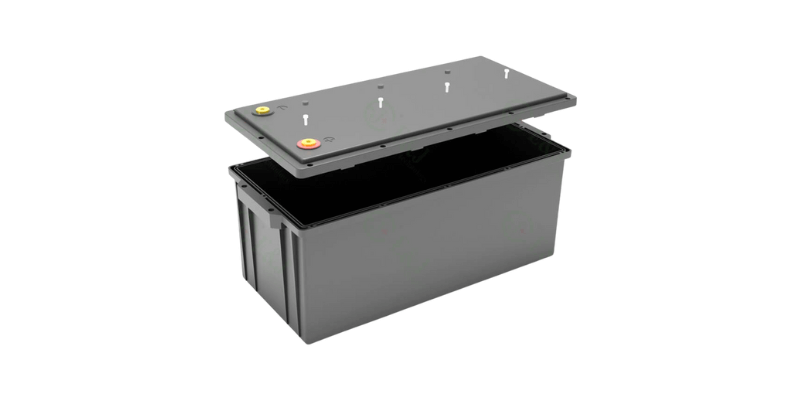
Qual è la differenza tra le batterie 4D e 8D?
Le differenze principali sono che la batteria 4D è più piccola, misura circa 21″x9″x10″ e pesa 100-150 libbre. Generalmente offrono 150-220 ampere-ora e 900-1.300 CCA a causa delle loro dimensioni e capacità ridotte.
Vantaggi della sostituzione delle batterie 8D con quelle al litio
Le batterie al litio 8D presentano vantaggi chiave rispetto alle batterie al piombo-acido, ma di solito hanno un limite di corrente di 500 A per l'avviamento a freddo. Tuttavia, la batteria al litio 8D personalizzata di Holo Battery è in grado di gestire brevi picchi superiori a questo limite.
Meno peso
Le batterie al litio pesano circa la metà rispetto a quelle al piombo di capacità simile e la batteria al litio 8D non fa eccezione. Pesa circa 80 libbre ma corrisponde alla capacità di tre batterie al piombo-acido 8D o nove batterie al piombo-acido da 100 Ah, risparmiando 460 libbre di peso energetico equivalente.
Si ricarica 5 volte più velocemente
Le batterie al litio sono più efficienti delle batterie al piombo e possono caricarsi fino a cinque volte più velocemente con il giusto controller di carica.
Sistema di gestione della batteria integrato
Tutte le batterie Holo batterie al litio includere un integrato sistema di gestione della batteria (BMS) che monitora i danni. Garantisce un funzionamento sicuro, bilancia le cariche delle celle e massimizza le prestazioni e la durata della batteria.
Ottimo per grandi applicazioni marine o off-grid
Scaricare una batteria a ciclo profondo al piombo-acido al di sotto del 50% la danneggia e ne riduce la durata.
Al contrario, le batterie al litio possono essere scaricate in modo sicuro oltre l’80% senza danni. Ciò rende le batterie al litio più efficienti per le applicazioni marine e di grandi dimensioni off-grid.
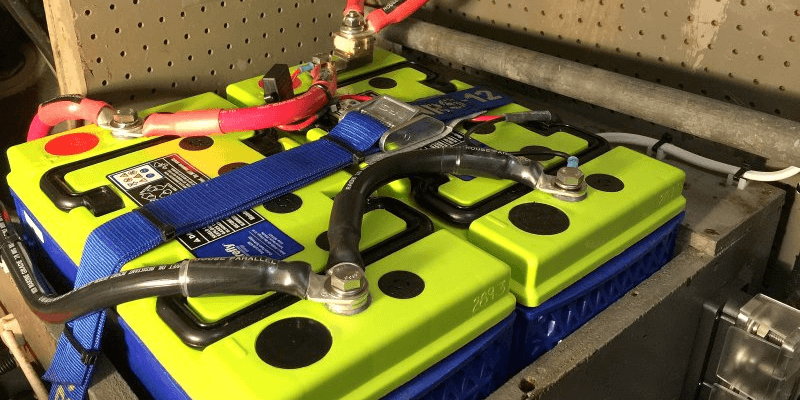
Qual è la differenza tra le batterie marine 8D e Gruppo 31?
Le batterie marine 8D sono più grandi, hanno una capacità maggiore e più amplificatori per l'avviamento a freddo, il che le rende migliori per le navi di grandi dimensioni con elevate esigenze di energia.
Batterie del gruppo 31 sono più piccoli (13″ x6,8″ x 9,44″), più leggere (100–130 Ah) e adatte per imbarcazioni con fabbisogno energetico moderato o come batterie di avviamento per motori più piccoli.
Conclusione
Le batterie 8D sono più grandi, più pesanti e forniscono più potenza rispetto ad altri tipi, rendendole adatte per applicazioni ad alta potenza. Le batterie al litio 8D offrono gli stessi vantaggi dei modelli al piombo-acido ma sono più leggere e durano 10-15 anni. Contattaci se hai bisogno di soluzioni personalizzate.