

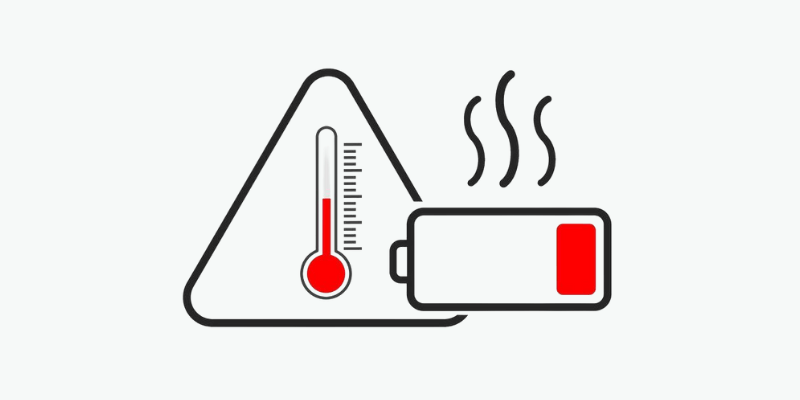
Pregrevanje baterije vpliva na delovanje naprave, življenjska doba, in varnost. Ker baterije napajajo naprave od pametnih telefonov do električnih vozil, je razumevanje vzrokov in preprečevanje pregrevanja bistvenega pomena. Ta članek obravnava mehanizme, posledice in strategije preprečevanja pregrevanja baterije, ki uporabnikom pomagajo pri učinkovitem upravljanju baterij.
Kaj je pregrevanje baterije?
Do pregrevanja baterije pride, ko njena temperatura preseže varno območje delovanja. Vsaka baterija ima optimalno temperaturo za učinkovite in varne kemične reakcije. Nad to mejo postanejo reakcije nestabilne, kar tvega izgubo zmogljivosti in nevarnosti za varnost.
Pregrevanje je nevarno, ker naraščajoče temperature pospešijo kemične reakcije, ustvarjajo več toplote in dodatno zvišajo temperaturo. Ta pozitivna povratna zanka se lahko hitro poveča, če je ne upravljate, kar vodi v nevarna stanja.
Posledice pregretja baterije
Pregrevanje baterije vpliva na delovanje in varnost na več načinov:
- Poslabšanje zmogljivosti: visoke temperature pospešijo staranje baterije, zmanjšajo zmogljivost in skrajšajo čas delovanja. Temperature nad 25 °C lahko skrajšajo življenjsko dobo litij-ionske baterije.
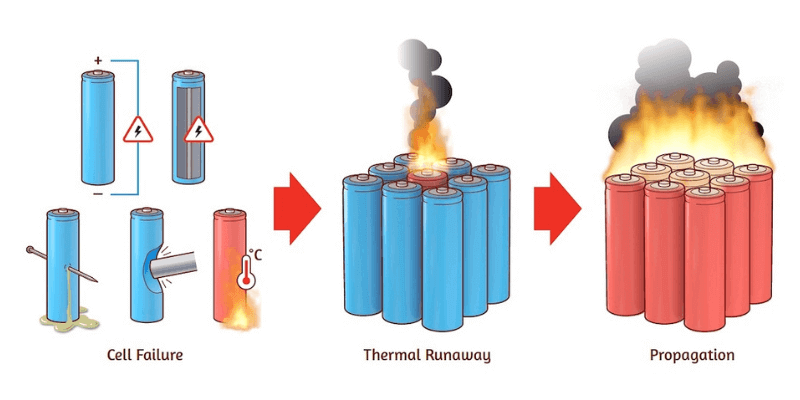
- Thermal Runaway (TR): Pregrevanje lahko sproži TR, kjer naraščajoče temperature povzročijo nadaljnje kopičenje toplote, kar lahko vodi do požarov ali eksplozij.
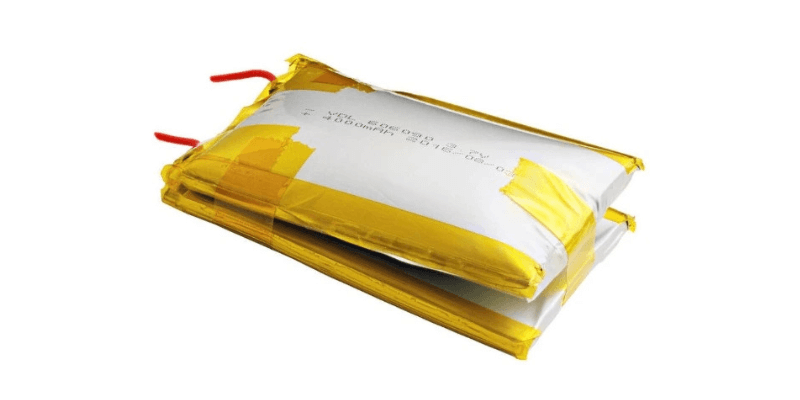
- Fizične poškodbe: dolgotrajna vročina lahko nepopravljivo poškoduje notranje strukture in povzroči otekanje, puščanje, ali deformacijo in ogrožanje celovitosti baterije.
- Zmanjšana učinkovitost: pregrete baterije imajo večji notranji upor, kar vodi do počasnejšega polnjenja in krajše uporabe.
Vzroki za pregrevanje baterije
Razumevanje, kaj sproži pregrevanje, je ključno za preprečevanje. Glavni vzroki vključujejo:
- Hitro polnjenje ali čezmerno polnjenje: polnjenje, ki presega specifikacije baterije, povzroča prekomerno toploto.
- Visoke temperature okolice: Zunanja toplota, kot je sončna svetloba ali vroča vozila, omejuje odvajanje toplote.
- Slabo stanje ali zasnova baterije: stare, poškodovane baterije slabe kakovosti ali proizvodne napake povečujejo notranji upor in toploto.
- Prekomerna poraba energije: visoki tokovi zaradi zahtevnih opravil (igre, pretakanje, električna orodja) obremenjujejo baterijo.
- Neustrezno prezračevanje: omejen pretok zraka preprečuje pravilno hlajenje.
- Sistem za upravljanje baterije Napaka (BMS): Okvarjen BMS ne more regulirati temperature ali toka, kar omogoča nevarne pogoje.
Simptomi pregrevanja baterije
Zmanjšana učinkovitost polnjenja ali praznjenja
Prepoznavanje znakov pregrevanja omogoča pravočasno posredovanje, preden pride do poškodbe.
Deformacija ali oteklina
Pregrevanje poveča notranji tlak, zaradi česar se ohišje baterije izboči ali ukrivi. To kaže na resne notranje težave in zahteva takojšnjo pozornost.
Vonj ali dim
Vonj po zažganem ali dim nakazujeta notranjo okvaro ali gorenje. Ukrepajte takoj, saj so ta pogosto pred nevarnimi stanji.
Nenormalno visoka temperatura
Prekomerna toplota, zaradi katere je baterij neprijetno na dotik, jasno kaže na pregrevanje in je ne smete prezreti.
Zmanjšana učinkovitost polnjenja ali praznjenja
Skrajšan čas delovanja ali počasno polnjenje nakazujeta, da je pregrevanje poškodovalo kemijo baterije in zmanjšalo zmogljivost.
Primerjava simptomov pregrevanja različnih vrst baterij
| Simptom | Litij-ionske baterije | Svinčeno-kislinske baterije |
| Dvig temperature | Običajno nad 60 °C (140 °F) | Nad 50 °C (122 °F) |
| Telesne spremembe | Oteklina ali izbočeno ohišje | Korozija ali otekanje ohišja |
| Težave z zmogljivostjo | Zmanjšana kapaciteta, hitrejše praznjenje | Slaba zmogljivost, skrajšan čas delovanja |
| Vizualni indikatorji | Vroče na dotik, razbarvanje | Puščanje elektrolita, izboklina |
Kako preprečiti pregrevanje baterije
Proaktivni koraki zmanjšajo tveganje pregrevanja:
- Uporabljajte polnilnike, ki jih priporoča proizvajalec, da preprečite neskladje napetosti in prekomerno toploto.
- Naprave hranite med 20 °C in 25 °C (68 °F–77 °F); izogibajte se neposredni sončni svetlobi in vročim vozilom.
- Zagotovite ustrezno prezračevanje tako, da vzdržujete pretok zraka okoli naprav, zlasti med polnjenjem, in redno čistite prezračevalne odprtine.
- Odklopite naprave, ko so popolnoma napolnjene, in se izogibajte intenzivni uporabi med polnjenjem, da zmanjšate kopičenje toplote.
- Uporabljajte sisteme za upravljanje baterije, ki spremljajo temperaturo; razmislite o dodatnih senzorjih za kritične aplikacije.
- Redno preverjajte, ali so baterije poškodovane, čistite terminale in posodabljajte vdelano programsko opremo za optimalno toplotno upravljanje.
Kako ravnati s pregrevanjem baterije
Če pride do pregrevanja, naredite naslednje:
1. Takoj odklopite napajanje, da ustavite nastajanje toplote.
2. Baterijo premaknite v nevnetljiv, dobro prezračen prostor, stran od vnetljivih snovi.
3. Pustite, da se baterija naravno ohladi na sobni temperaturi; izogibajte se hitremu hlajenju, kot je hlajenje.
4. Ne polnite, dokler ni popolnoma ohlajen in pregledan.
5. Preverite otekanje, puščanje ali poškodbe; ne uporabljajte ponovno, če je poškodovan.
6. Za znatno pregrevanje ali vidne poškodbe se posvetujte s strokovnjakom.
7. Poškodovane baterije zavrzite v skladu z lokalnimi predpisi; zaradi varnostnih tveganj jih nikoli ne vrzite v običajne smeti.
Katere baterije so bolj verjetno pregrete?
Vse baterije nimajo enakega tveganja pregrevanja.
18650 cilindrični NCM in LCO litij-ionske baterije so še posebej občutljivi na pregrevanje zaradi svoje energijsko goste zasnove, zlasti pri visoki moči ali vročini.
LFP (litij-železov fosfat) baterije so bolj toplotno stabilni in manj nagnjeni k pregrevanju, vendar se še vedno lahko pregrejejo v ekstremnih pogojih.
Prizmatične baterije velikega formata, tako kot tiste v električnih vozilih, se lahko zaradi svoje velikosti in energijske gostote tudi pregrejejo brez ustreznega hlajenja.
Zakaj se neuporabljene baterije segrejejo?
Baterije lahko proizvajajo toploto, tudi če niso v uporabi zaradi:
- Notranje kemične reakcije: Počasno samopraznjenje sčasoma proizvaja toploto.
- Mikrokratki stiki: notranje napake ali degradacija povzročajo kratke stike in toploto.
- Visokotemperaturno shranjevanje: Toplota pospeši samopraznjenje in kopičenje.
- S staranjem povezana degradacija: starejše baterije imajo večjo odpornost in proizvajajo več toplote tudi pri majhni aktivnosti.
Ali baterije različnih velikosti vplivajo na odvajanje toplote?
Velikost baterije močno vpliva na odvajanje toplote.
Večje baterije odvajajo toploto manj učinkovito, ker mora toplota jedra potovati dlje, kar ima za posledico višje notranje temperature.
Raziskovanje kaže, da imajo baterije z večjim razmerjem med premerom in višino (D/H) nižje temperature in manjše toplotne gradiente zaradi povečane površine za boljše odvajanje toplote. To pojasnjuje, zakaj veliki akumulatorji, kot so tisti v električnih vozilih, potrebujejo aktivne hladilne sisteme, medtem ko manjše baterije pametnih telefonov uporabljajo pasivno hlajenje.
Zasnova baterije mora upoštevati proizvodnjo in odvajanje toplote, da se ohranijo varne temperature.
Zaključek
Pregrevanje baterije je resna skrb. Prepoznavanje vzrokov in simptomov ga uporabnikom pomaga preprečiti in varno ravnati z baterijami.
S previdnim ravnanjem z baterijami in upoštevanjem temperaturnih omejitev lahko uživamo v prenosni energiji, hkrati pa zmanjšamo tveganja.