

Ein falscher Anschluss von Batterien kann zu Leistungseinbußen, vorzeitiger Zellverschlechterung oder in schwerwiegenden Fällen zu Sicherheitsmängeln führen.
Wenn Sie ein entwerfen Batteriesystem zur SolarspeicherungB. Industrieanlagen, Schiffsanwendungen oder kommerzielle Elektrofahrzeuge, ist das Verständnis serieller, paralleler und seriell-paralleler Konfigurationen eine Grundvoraussetzung.
In diesem Leitfaden wird jede Konfiguration klar erklärt, mit den technischen Details, die Sie benötigen, um die richtige Entscheidung für Ihre Anwendung zu treffen.
Das Kernprinzip
Jede Entscheidung über den Batterieanschluss hängt von zwei Variablen ab.
Spannung UndKapazität (Ah).
- Um die Spannung zu erhöhen, schalten Sie sie in Reihe.
- Um die Kapazität zu erhöhen, schließen Sie sie parallel an.
- Um beides zu erhöhen, verwenden Sie eine Serie-Parallel-Konfiguration.
Batterien in Serie anschließen
Wie es funktioniert
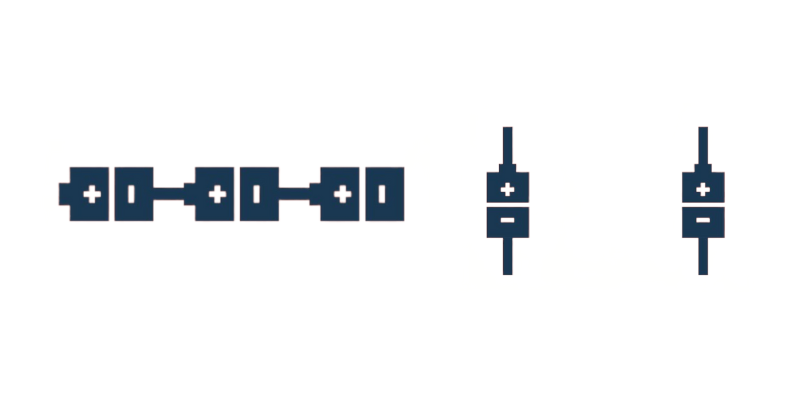
Bei einer Reihenschaltung wird der Pluspol einer Batterie mit dem Minuspol der nächsten verbunden.
Dies wird so lange fortgesetzt, bis alle Batterien im Strang angeschlossen sind.
Die Gesamtsystemspannung ist die Summe aller Einzelbatteriespannungen.
Die Kapazität bleibt gleich der Kapazität einer einzelnen Batterie.
Beispiel
Drei 12V 100Ah In Reihe geschaltete Batterien:
| Konfiguration | Spannung | Kapazität |
| Einzelne Batterie | 12V | 100 Ah |
| 3 Batterien in Reihe | 36 V | 100 Ah |
Verkabelungsanweisungen
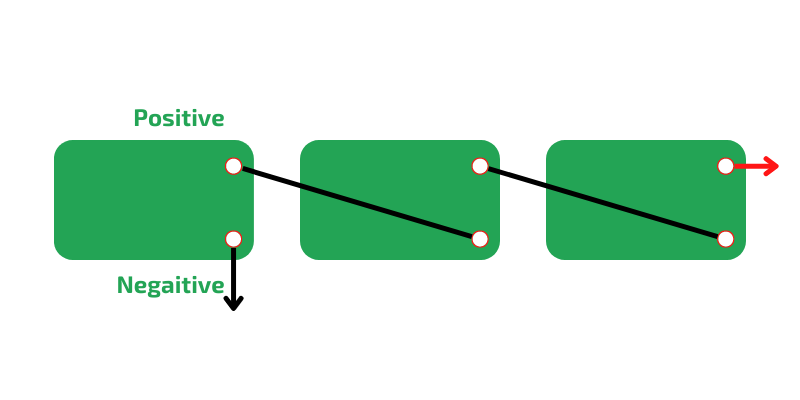
- Verbinden Sie den Minuspol von Batterie 1 mit dem Pluspol von Batterie 2.
- Verbinden Sie den Minuspol von Batterie 2 mit dem Pluspol von Batterie 3.
- Schließen Sie Ihre Last oder Anwendung an den Minuspol von Batterie 1 und den Pluspol der letzten Batterie im Strang an.
Die Verbindungsreihenfolge ist wichtig.
Schließen Sie immer zuerst den Minuspol an und trennen Sie zuerst den Pluspol.
Dies verringert das Risiko versehentlicher Kurzschlüsse beim Ein- und Ausbau.
Spannungsobergrenze und Sicherheit
Reihenschaltungen erhöhen die Gesamtsystemspannung.
Bei Spannungen über 50 V DC steigt die Gefahr eines Stromschlags erheblich.
Die meisten regionalen Sicherheitsstandards stufen 50 V Gleichstrom und mehr als gefährliche Spannung ein, die zusätzliche Schutzmaßnahmen erfordert.
Für Systeme, die über 120 V DC betrieben werden, was der sicheren Kleinspannungsschwelle gemäß EU-Normen entspricht, sind zusätzliche Isolierung, Schutzausrüstung und qualifiziertes Installationspersonal erforderlich.
Überprüfen Sie immer die geltenden elektrischen Sicherheitsstandards für Ihre Region und Anwendung, bevor Sie einen Hochspannungs-Reihenstrang entwerfen.
Hauptanforderungen
Alle Batterien in einem Serienstrang müssen Folgendes haben:
- Die gleiche Nennspannung
- Die gleiche Kapazität (Ah)
- Die gleiche Chemie
- Idealerweise gleiches Alter und gleiche Zyklusgeschichte
Das Mischen von Batterien unterschiedlicher Spannung in Reihe ist nicht sicher und führt zu einem Zellungleichgewicht und möglichen Schäden.
Im Gegensatz zu Parallelverbindungen muss bei einer Reihenschaltung die Kapazität übereinstimmen.
Eine schwächere Zelle in einem Reihenstrang wird in eine Tiefentladung getrieben, bevor die stärkeren Zellen erschöpft sind, was zu dauerhaften Schäden an dieser Zelle führt und die Gesamtleistung des Systems verringert.
Überlegungen zum Laden
Das Laden einer Serienkette erfordert eine sorgfältige Handhabung.
Wenn Batterien in einer Reihenschaltung auch nur kleine Unterschiede im Innenwiderstand oder im Ladezustand aufweisen, erreichen einige Zellen vor anderen die volle Ladung.
Ohne ordnungsgemäße Verwaltung werden die Zellen, die zuerst aufgeladen werden, überladen, während andere unterladen bleiben.
Empfehlungen:
- Laden Sie nach Möglichkeit jeden Akku einzeln auf
- Wenn Sie die Serienstränge zusammen aufladen, verwenden Sie a Batteriemanagementsystem (BMS) mit Zellausgleichsfunktion
- Das aktive Balancing-BMS ist dem passiven Balancing für Strings mit großen Serien vorzuziehen, da es die Energie zwischen den Zellen neu verteilt, anstatt sie als Wärme abzuleiten
Parallel anschließen Batterien
Wie es funktioniert
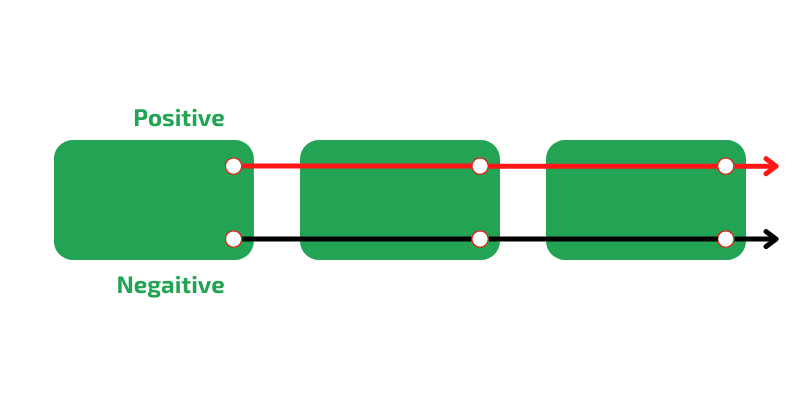
Bei einer Parallelschaltung sind alle positiven Anschlüsse miteinander verbunden und alle negativen Anschlüsse miteinander.
Dadurch erhöht sich die Gesamtkapazität, während die Spannung gleich bleibt wie bei einer einzelnen Batterie.
Beispiel
Vier parallel geschaltete 24-V-50-Ah-Batterien:
| Konfiguration | Spannung | Kapazität |
| Einzelne Batterie | 24V | 50Ah |
| 4 Batterien parallel | 24V | 200 Ah |
Verkabelungsanweisungen
- Messen Sie vor dem Anschließen die Spannung aller Batterien. Fahren Sie erst fort, wenn alle Batterien weniger als 0,1 V voneinander entfernt sind.
- Schließen Sie zuerst die Minuspole und dann die Pluspole an.
- Verbinden Sie alle Pluspole miteinander.
- Verbinden Sie alle Minuspole miteinander.
- Schließen Sie Ihre Last an den gegenüberliegenden Ecken der Batteriebank an. Nehmen Sie den Plus-Anschluss der ersten Batterie und den Minus-Anschluss der letzten Batterie. Dadurch wird die Stromaufnahme gleichmäßig auf alle Batterien verteilt und verhindert, dass einzelne Zellen überproportional belastet werden.
Hauptanforderungen
Alle Batterien in einer Parallelbank müssen Folgendes haben:
- Die gleiche Nennspannung
- Die gleiche Chemie
- Ein Ladezustand innerhalb von 0,1 V voneinander vor dem Anschluss
Zur Kapazität:
Eine entsprechende Kapazität wird dringend empfohlen, ist jedoch keine zwingende elektrische Anforderung für Parallelverbindungen.
Batterien unterschiedlicher Kapazität können parallel geschaltet werden, sofern Spannung und Chemie übereinstimmen.
Beispielsweise können eine 12V 100Ah- und eine 12V 200Ah-Batterie parallel geschaltet werden, was insgesamt 12V 300Ah ergibt.
Allerdings wird der kleinere Akku bei jedem Zyklus schneller vollständig geladen und vollständig entladen als der größere.
Ohne ein BMS, das dieses Ungleichgewicht aktiv bewältigt, wird die kleinere Batterie häufiger überladen und tiefentladen, was dazu führt, dass sie deutlich schneller an Leistung verliert als die größere Batterie.
Wenn Sie Batterien unterschiedlicher Kapazität parallel anschließen, ist ein leistungsfähiges BMS keine Option. Es ist eine Voraussetzung.
Für das einfachste und zuverlässigste System verwenden Sie Batterien gleicher Kapazität.
Innenwiderstand und Stromaufteilung
Wenn Batterien mit unterschiedlichen Innenwiderständen parallel geschaltet werden, verteilt sich der Strom nicht gleichmäßig zwischen ihnen.
Der Akku mit geringerem Innenwiderstand führt sowohl beim Laden als auch beim Entladen einen höheren Stromanteil.
Dies führt mit der Zeit dazu, dass die Batterie heißer wird und sich schneller verschlechtert als die anderen.
Während es abgebaut wird, erhöht sich sein Innenwiderstand weiter, was das Ungleichgewicht verstärkt und das Problem beschleunigt.
Um dieses Risiko zu minimieren:
- Verwenden Sie nach Möglichkeit Batterien aus derselben Produktionscharge
- Mischen Sie niemals alte und neue Batterien in derselben Parallelbank
- Mischen Sie niemals Batterien verschiedener Marken oder Modelle in derselben Parallelbank
- Überwachen Sie die Temperaturen einzelner Batterien in großen Parallelsystemen
Maximale parallele Strings
Beschränken Sie für die meisten Anwendungen parallele Verbindungen auf maximal vier Strings.
Ab vier Strings sind Stromverteilung und Wärmemanagement deutlich schwieriger zu kontrollieren.
Ungleichgewichte zwischen Saiten sind schwerer zu erkennen und zu korrigieren, und ein Fehler in einer Saite kann schwerwiegendere Auswirkungen auf die gesamte Bank haben.
Für Systeme, die eine Kapazität benötigen, die über die Kapazität von vier parallelen Strängen hinausgeht, wenden Sie sich an Ihren Batteriehersteller oder einen qualifizierten Systemintegrator.
Sicherungsanforderungen
Jeder Parallelstrang muss über eine eigene Sicherung oder einen eigenen Schutzschalter verfügen, der so nah wie möglich am Batteriepol installiert ist.
Ohne die Absicherung einzelner Strings führt ein Fehler in einem String dazu, dass über den Fehlerpunkt Entladestrom von allen anderen Strings abgezogen wird.
Abhängig von der Gesamtkapazität der Bank kann dieser Strom so hoch sein, dass er einen Brand oder eine Explosion verursacht.
Dies ist eine wichtige Sicherheitsanforderung für alle parallelen und seriell parallelen Systeme.
Überlegungen zum Laden
Parallel geschaltete Batterien laden mit der gleichen Spannung wie eine einzelne Batterie.
Ein auf die Batteriespannung abgestimmtes Standardladegerät funktioniert einwandfrei.
Die Ladezeit ist im Vergleich zu einem einzelnen Akku länger, da die Gesamtkapazität der Bank höher ist.
Stellen Sie sicher, dass Ihr Ladegerät über eine ausreichende Stromabgabe verfügt, um die gesamte Bank innerhalb eines für Ihre Anwendung akzeptablen Zeitrahmens aufzuladen.
Serie-parallel angeschlossene Batterien
Wie es funktioniert
Eine seriell-parallele Konfiguration kombiniert beide Methoden, um Spannung und Kapazität gleichzeitig zu erhöhen.
Um die Zielspannung zu erreichen, werden die Batterien zunächst in Reihenstränge gruppiert.
Diese Strings werden dann parallel geschaltet, um die Zielkapazität zu erreichen.
Beispiel
Sechs 12-V-50-Ah-Batterien in einer 2S3P-Konfiguration:
| Schritt | Aktion | Ergebnis |
| Seriensaiten | 2 Batterien in Reihe pro Strang | 24V 50Ah pro Strang |
| Parallelschaltung | 3 Saiten parallel | 24V 150Ah insgesamt |
Hauptanforderungen
In einer seriell-parallelen Konfiguration müssen alle Batterien in Bezug auf Spannung, Kapazität, Chemie und idealerweise Alter und Zyklenverlauf identisch sein.
Jeder Parallelstrang muss einzeln abgesichert werden.
Alle Strings müssen den gleichen Ladezustand haben (maximal 0,1 V voneinander), bevor sie parallel geschaltet werden können.
Jedes Ungleichgewicht zwischen den Strings führt zu zirkulierenden Strömen, was zu ungleichmäßiger Ladung, beschleunigter Verschlechterung und potenziellen Sicherheitsproblemen führt.
Für alle seriell-parallelen Systeme wird dringend ein BMS empfohlen, das sowohl den seriellen Zellenausgleich als auch die parallele String-Überwachung verwalten kann.
Auswahl der richtigen Konfiguration
| Erfordernis | Empfohlene Konfiguration |
| Nur höhere Spannung | Serie |
| Nur höhere Kapazität | Parallel |
| Höhere Spannung und Kapazität | Serienparallel |
| Einfachere Systemverwaltung | Parallel |
| Lange Laufzeit bei vorhandener Spannung | Parallel |
| Kompatibilität mit Geräten mit höherer Spannung | Serie |
Kritische Regeln für alle Konfigurationen
1. Passen Sie die Spannung immer an.
Die Spannung muss ausnahmslos sowohl bei Reihen- als auch bei Parallelschaltungen übereinstimmen.
2. Passen Sie die Kapazität an die Serien an, empfohlen für Parallelschaltungen.
Bei Seriensträngen muss die Kapazität übereinstimmen, um zu verhindern, dass schwächere Zellen in eine Tiefentladung getrieben werden. Bei Parallelbänken wird die Anpassung der Kapazität dringend empfohlen, ist jedoch keine zwingende elektrische Anforderung. Parallel dazu nicht übereinstimmende Kapazitäten erfordern ein aktives BMS-Management.
3. Überprüfen Sie den Ladezustand vor dem Anschließen.
Alle Batterien müssen vor dem Parallelschalten einen Wert von maximal 0,1 V voneinander haben. Eine größere Spannungsdifferenz verursacht hohe Ausgleichsströme, die Zellen beschädigen und gefährliche Hitze erzeugen können.
4. In der richtigen Reihenfolge anschließen.
Schließen Sie zuerst die Minuspole an. Trennen Sie zuerst die Pluspole. Dies verringert das Risiko versehentlicher Kurzschlüsse beim Ein- und Ausbau.
5. Sichern Sie jeden parallelen Strang einzeln.
Installieren Sie an jedem Parallelstrang eine Sicherung oder einen Leistungsschalter so nah wie möglich am Batteriepol. Dies ist eine nicht verhandelbare Sicherheitsanforderung für alle parallelen und seriell parallelen Systeme.
6. Verwenden Sie angemessen Kabeldimensionierung.
Dimensionieren Sie die Kabel für den maximalen Strom, den das System führen kann, mit einem angemessenen Sicherheitsspielraum. Unterbewertete Kabel erzeugen Wärme, verringern die Effizienz und stellen ein Brandrisiko dar.
7. Verwenden Sie ein BMS.
Ein Batteriemanagementsystem schützt vor Überladung, Tiefentladung, Kurzschluss und thermischen Problemen. Bei Serienkonfigurationen ist ein aktiver Zellausgleich unerlässlich. Für parallele Konfigurationen mit nicht übereinstimmenden Kapazitäten ist ein BMS erforderlich.
8. Überprüfen Sie die Kompatibilität mit Ihrem Batteriehersteller.
Nicht alle Batteriemodelle unterstützen Reihen- oder Parallelschaltungen. Manche LFP-Batterien mit eingebautem BMS sind nicht für externe Reihen- oder Parallelschaltungen ausgelegt. Überprüfen Sie immer die Kompatibilität, bevor Sie ein System mit mehreren Batterien aufbauen.
FAQ
Erhöht sich die Verstärkungsstunden parallel an die Anschlüsse?
Ja. Durch die Parallelschaltung von Batterien wird die Gesamtkapazität in Amperestunden erhöht, während die Spannung gleich bleibt. Zwei parallel geschaltete 12-V-100-Ah-Batterien ergeben ein 12-V-200-Ah-System und bieten die doppelte Laufzeit, bevor ein Aufladen erforderlich ist.
Was passiert, wenn Sie zwei 12-V-Batterien in Reihe schalten?
Sie erhalten ein 24-V-System mit der gleichen Amperestundenkapazität wie eine einzelne Batterie. Wenn jede Batterie für 12 V 100 Ah ausgelegt ist, ergibt die Serienkombination 24 V 100 Ah. Die Spannung verdoppelt sich, die Kapazität bleibt gleich.
Was ist besser, seriell oder parallel?
Keines von beiden ist allgemein besser. Die richtige Wahl hängt von Ihren Spannungs- und Kapazitätsanforderungen ab. Wenn Ihr Gerät mit einer höheren Spannung betrieben wird, ist eine Reihenschaltung erforderlich. Wenn Sie eine längere Laufzeit bei gleicher Spannung benötigen, ist Parallelschaltung die Lösung. Viele größere Systeme nutzen Serien-Parallel, um beides zu erreichen.
Können LFP-Batterien in Reihe oder parallel geschaltet werden?
Die meisten hochwertigen LFP-Batterien unterstützen beide Konfigurationen, dies hängt jedoch vom jeweiligen Produkt und seinem internen BMS-Design ab. Einige LFP-Batterien mit eingebauten BMS-Einheiten eignen sich nicht für die Reihenschaltung, da die BMS-Schaltkreise nicht elektrisch voneinander isoliert sind, was zu Erdschleifenproblemen und Sicherheitsfehlern führen kann. Überprüfen Sie immer die Kompatibilität mit Ihrem Batteriehersteller, bevor Sie LFP-Batterien in Reihe schalten.
Wie hoch darf der Spannungsunterschied maximal sein, bevor Batterien parallel geschaltet werden?
Der Unterschied zwischen zwei beliebigen Batterien darf nicht mehr als 0,1 V betragen, bevor sie parallel geschaltet werden. Eine größere Spannungsdifferenz führt dazu, dass beim Anschließen der Batterien sofort ein hoher Ausgleichsstrom fließt, der die Zellen beschädigen, erhebliche Hitze erzeugen und in schweren Fällen zu Sicherheitsausfällen führen kann. Messen und gleichen Sie immer die Batteriespannungen aus, bevor Sie Parallelverbindungen herstellen.