

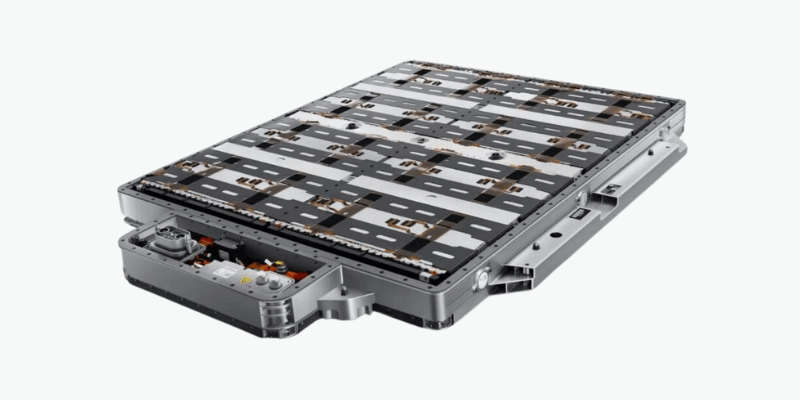
Pin bán rắn, một công nghệ pin tiên tiến, mang lại nhiều lợi thế hơn so với pin Pin lithium. Bài viết này định nghĩa chúng, so sánh chúng với pin lithium, thảo luận về lợi ích và thách thức của chúng.
Pin bán rắn là gì?
Pin bán rắn là loại pin có thể sạc lại sử dụng chất bán rắn chất điện phân. Chất điện phân này thường bao gồm một vật liệu dẫn điện rắn lơ lửng trong chất lỏng, mang lại một số ưu điểm so với các thiết kế thông thường.
Pin bán rắn so với pin lithium lỏng
Sự khác biệt cốt lõi giữa các công nghệ này nằm ở thành phần chất điện phân, độ an toàn và hiệu suất của chúng:
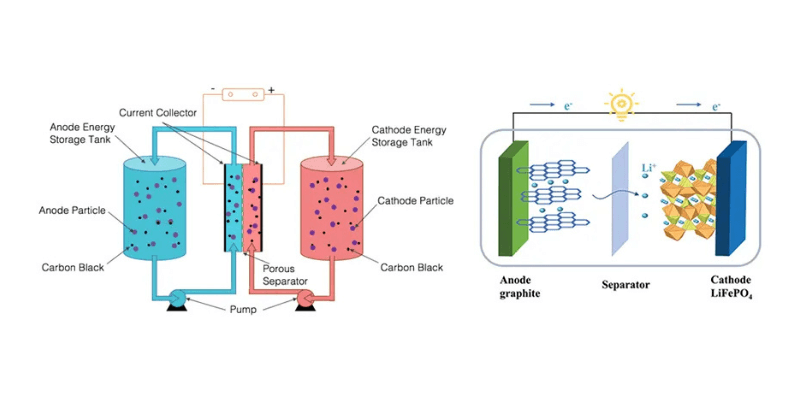
Cấu trúc điện giải
- Pin Lithium lỏng: Sử dụng chất điện phân lỏng hữu cơ dễ cháy, gây nguy cơ rò rỉ và sự thoát nhiệt.
- Pin bán rắn: Sử dụng chất điện phân dạng gel/dán nhớt, giảm tính dễ cháy và cho phép các bộ phân tách mỏng hơn.
Sự an toàn
- Chất điện phân lỏng có thể bốc cháy khi bị căng thẳng (ví dụ: hư hỏng vật lý hoặc sạc quá mức), dẫn đến hỏa hoạn.
- Chất điện phân bán rắn chống lại sự phát triển của dendrite, chịu được nhiệt độ trên 200°C và giảm thiểu nguy cơ cháy trong các thử nghiệm xuyên qua móng.
Hiệu suất
- Mật độ năng lượng: Pin lithium lỏng đạt tối đa 300 Wh/kg; các biến thể bán rắn đạt 350–400 Wh/kg.
- Vòng đời: Pin lithium lỏng có tuổi thọ khoảng 1.200 chu kỳ; những loại bán rắn chịu được 2.000–3.000 chu kỳ với khả năng duy trì công suất trên 85%.
- Phạm vi nhiệt độ: Chất điện phân lỏng đóng băng dưới 0°C hoặc đặc lại trong điều kiện lạnh. Pin bán rắn hoạt động từ -40°C đến 60°C mà không giảm hiệu suất đáng kể.
Chế tạo
Pin lithium lỏng được hưởng lợi từ dây chuyền sản xuất đã có sẵn, trong khi pin bán rắn yêu cầu quy trình sửa đổi.
Ưu điểm của pin bán rắn
Pin bán rắn có một số ưu điểm so với pin lithium lỏng truyền thống.
An toàn nâng cao
Giảm hàm lượng chất lỏng và sử dụng khung rắn sẽ giảm thiểu sự hình thành dendrite và thoát nhiệt. Chất điện phân tăng cường gốm, chẳng hạn như vật liệu tổng hợp sulfua hoặc polymer, ngăn ngừa đoản mạch. Các tế bào bán rắn vượt qua các bài kiểm tra xuyên qua đinh với rủi ro cháy tối thiểu, giải quyết được lỗ hổng quan trọng trong pin lithium lỏng.
Mật độ năng lượng cao hơn
Pin bán rắn đạt hiệu suất cao hơn 30–40% mật độ năng lượng hơn pin lithium lỏng bằng cách sử dụng cực dương công suất cao như lithium hoặc silicon, kết hợp với cực âm NMC/NCA giàu niken điện áp cao.
Tuổi thọ kéo dài & khả năng phục hồi
Giảm sự suy giảm điện cực và các giao diện ổn định cho phép thực hiện hơn 2.000 chu kỳ với tổn thất công suất tối thiểu. Chúng cũng hoạt động tốt ở nhiệt độ cực lạnh (–40°C), ngăn ngừa hiện tượng đóng băng chất điện phân.
Khả năng mở rộng
Các biến thể bán rắn sử dụng thiết bị sản xuất lithium-ion hiện có, giảm chi phí chuyển đổi so với pin ở trạng thái rắn hoàn toàn. Các công ty như BMW và Ford đang tăng tốc sản xuất bằng cách hợp tác với Solid Power.
Tại sao pin bán rắn có mật độ năng lượng cao?
Ba cải tiến nâng cao Lưu trữ năng lượng của pin bán rắn:
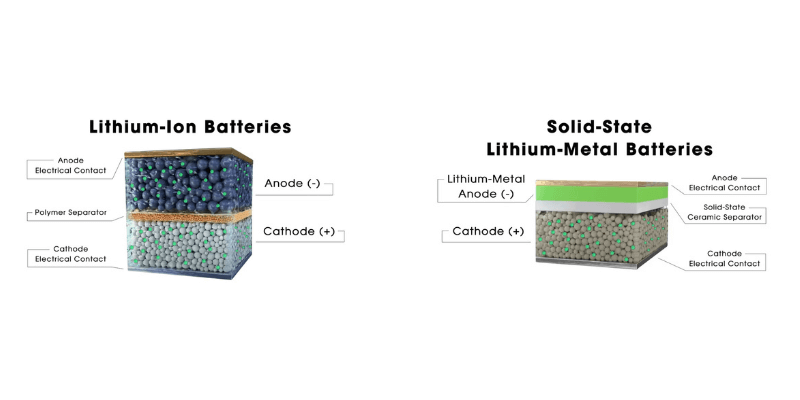
Đổi mới vật chất
- Cực dương: Kim loại lithium (3.860 mAh/g) hoặc vật liệu tổng hợp silicon thay thế than chì (372 mAh/g).
- Cathode: Oxit NMC có hàm lượng niken cao hoặc giàu lithium làm tăng điện áp và công suất.
Tối ưu hóa điện giải
- Thiết kế hai pha (ví dụ: gel polymer với chất độn gốm) giảm các thành phần trơ, tối đa hóa không gian cho vật liệu hoạt động.
- Quá trình hóa rắn tại chỗ giúp cải thiện sự tiếp xúc giữa điện cực và chất điện phân và làm giảm điện trở trong.
Hiệu quả kết cấu
Các điện cực có ma trận xốp để giữ nhiều vật liệu hoạt động hơn, trong khi đường dẫn ion ngắn hơn trong thiết kế nhỏ gọn giúp tăng mật độ năng lượng.
Những thách thức của pin bán rắn
Mặc dù pin bán rắn đầy hứa hẹn nhưng chúng phải đối mặt với một số thách thức cần vượt qua.
Sự phức tạp của chuỗi cung ứng và nguyên liệu
- Chất điện phân rắn có độ tinh khiết cao, như sunfua và oxit, yêu cầu mức độ tinh khiết trên 99,99% và xử lý chuyên biệt do độ nhạy với độ ẩm, phân hủy trên 20 ppm. Điều này đòi hỏi phải lưu trữ bằng argon, làm tăng chi phí và độ phức tạp về hậu cần.
- Những vật liệu này cần chất kết dính PTFE nhiều hơn 40% so với PVDF thông thường, gây căng thẳng cho chuỗi cung ứng hóa chất.
Điểm nghẽn sản xuất
- Quá trình cán điện cực phải xử lý mật độ cao hơn 15–20%, với thời gian sấy giảm từ 12–24 giờ xuống còn 2–3 giờ, đòi hỏi dây chuyền sản xuất phải được trang bị thêm.
- Điện trở bề mặt khi tiếp xúc với điện cực-chất điện phân rắn-rắn có thể tăng điện trở trong lên tới 300%, làm giảm hiệu suất và khả năng sạc nhanh.
- Các kỹ thuật hóa rắn tại chỗ gặp khó khăn trong việc đạt được các bề mặt tiếp xúc điện cực-điện phân đồng nhất, ảnh hưởng đến tuổi thọ chu trình và độ ổn định hiệu suất.
Hạn chế về hiệu suất
- Chất điện phân lai có độ dẫn ion thấp hơn 10–30% so với chất lỏng ở nhiệt độ dưới 0, hạn chế sản lượng điện ở vùng khí hậu lạnh.
- Rủi ro dendrite lithium vẫn tồn tại ngay cả sau hơn 500 chu kỳ, đặc biệt là với cực dương kim loại lithium, bất chấp các tuyên bố ngăn chặn.
- Các tế bào hiện tại đạt được 350–400 Wh/kg, thấp hơn so với hơn 500 Wh/kg của nguyên mẫu, do tổn thất bề mặt và hạn chế về thể tích chất điện phân.
Rào cản về chi phí và tiếp nhận thị trường
- Pin bán rắn đắt hơn 40–50% so với pin lithium-ion lỏng, chủ yếu do chi phí điện phân rắn và khối lượng sản xuất thấp.
- Tái chế nhiệt luyện chỉ thu hồi được 60–65% vật liệu, so với 85–90% đối với pin lỏng, do quá trình xử lý ở nhiệt độ cao làm hỏng chất điện phân rắn.
- Sản lượng toàn cầu dưới 2 GWh (2024), với thị phần dự kiến chỉ là 1% vào năm 2027, làm chậm lại tính kinh tế nhờ quy mô.
Phần kết luận
Pin bán rắn kết hợp độ an toàn và mật độ năng lượng của công nghệ trạng thái rắn với khả năng sản xuất của hệ thống chất lỏng. Chúng hiện cung cấp năng lượng cho xe điện (NIO, BMW) và hệ thống lưu trữ điện lưới, với chi phí dự kiến sẽ giảm xuống 70 USD/kWh vào năm 2030 khi quy mô sản xuất được mở rộng.
Những thách thức như độ bền bề mặt và độ tinh khiết của nguyên liệu thô vẫn còn, nhưng R&D định vị chúng là công nghệ chuyển tiếp chiếm ưu thế cho đến khi pin thể rắn hoàn chỉnh sẵn sàng.
Đối với các ngành đòi hỏi phạm vi hoạt động xa hơn, sạc nhanh hơn và tiêu chuẩn an toàn cao, pin bán rắn chính là tương lai gần.