

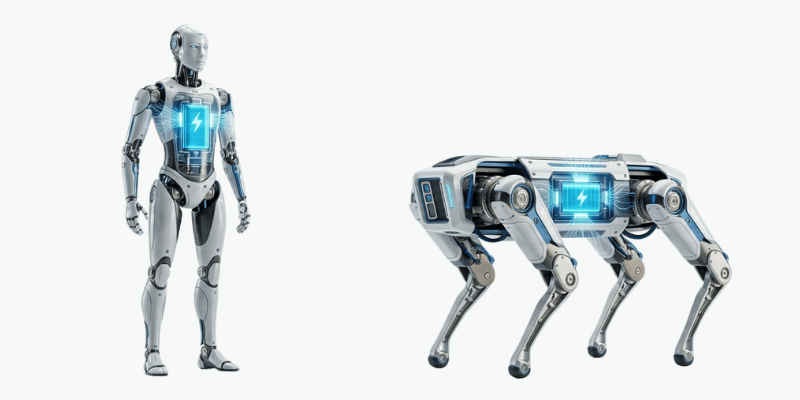
Die meisten Batterieratgeber für die Robotik konzentrieren sich auf Energiedichte Und Zyklus Leben. Diese Kennzahlen sind wichtig, aber für Roboter mit Beinen erzählen sie nur die halbe Wahrheit.
Die eigentliche Herausforderung ist die Handhabung transienter Lasten.
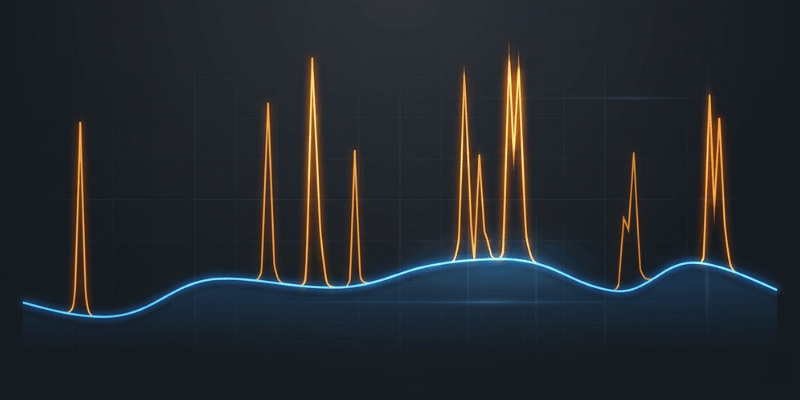
Wenn sich ein humanoider Roboter von einem Stolpern erholt oder ein Vierbeiner über unebenes Gelände springt, kann der Energiebedarf in weniger als 100 Millisekunden auf das Fünf- bis Zehnfache der durchschnittlichen Belastung ansteigen. Wenn Ihre Batterie diesen Anstieg nicht sauber verkraften kann, ist das Ergebnis vorhersehbar. Sie werden einen Spannungseinbruch, Schutzauslösungen und eine versteckte Zellverschlechterung beobachten. Und nichts davon erscheint auf einem Datenblatt, bis es zu spät ist.
In diesem Leitfaden wird erläutert, worauf es bei hochtransienten Roboterantriebssystemen tatsächlich ankommt und wie man einen Akku spezifiziert, der die Fortbewegung in der realen Welt übersteht.
Das Kernproblem: Peak-to-Average Power Ratio (PAPR)
Bei Robotern mit Beinen ist die wichtigste Leistungsmetrik die PAPR, berechnet als Spitzenleistung dividiert durch die Durchschnittsleistung.
Die meisten Unterhaltungselektronikgeräte bleiben unter 2x. Roboter mit Beinen überschreiten regelmäßig das 4- bis 16-fache.
| Roboteraktion | Spitzenleistung | Durchschnittliche Leistung | PAPR |
| Humanoid: Gehen, um zu sprinten | 3,5 kW | 800 W | 4,4x |
| Humanoid: Armstoßabsorption | 5,0 kW+ | 300 W | 16x+ |
| Humanoid: Erholung im Herbst | 4,2 kW | 600 W | 7,0x |
| Vierfüßler: gebundener Gang | 2,8 kW | 600 W | 4,7x |
| Vierfüßler: Sprunglandung | 6,0 kW+ | 500 W | 12x+ |
Die Dimensionierung einer Batterie nur für eine durchschnittliche Leistung ist fast eine Garantie dafür, dass sie bei vorübergehenden Ereignissen ausfällt. Die Lösung besteht nicht darin, einfach eine größere Packung zu kaufen. Es beginnt mit architektonischen Entscheidungen, die auf das vorübergehende Verhalten zugeschnitten sind.
Warum Spannungseinbrüche der wahre Feind sind
Während einer vorübergehenden Spannungsspitze fällt die Spannung an den Batterieklemmen sofort ab. Der entscheidende Faktor ist der DC-Innenwiderstand, kurz DCiR.
Selbst eine Batterie mit hervorragender Energiedichte kann bei Impulsbelastung gefährlich durchhängen. Betrachten Sie ein 48-V-Robotersystem:
| Packungstyp | DCiR | Spannung bei 100A Impuls | Durchhängen |
| NMC 18650 | 80 mΩ | 40,0 V | 16,7 % |
| LFP 32700 | 25 mΩ | 45,5 V | 5,2 % |
Ein Spannungsabfall von 8 V auf einem 48-V-Bus bedeutet, dass Motorsteuerungen nur 40 V sehen, obwohl sie 48 V erwarten. Bei dynamischer Fortbewegung löst dies häufig den Unterspannungsschutz genau dann aus, wenn die Drehmomentsteuerung kritisch ist.
Bei Robotern mit Beinen sollte DCiR bei der Batteriespezifikation die gleiche Bedeutung wie die Energiedichte haben. Die meisten Teams übersehen es. Das ist normalerweise der Punkt, an dem die Probleme beginnen.
Chemieauswahl: Passen Sie sie an Ihren Roboter an
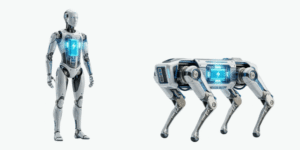
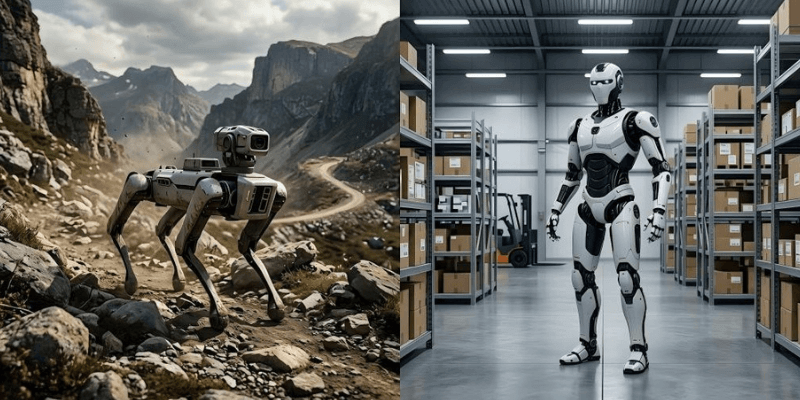
Roboter mit unterschiedlichen Beinen stellen grundsätzlich unterschiedliche Leistungsanforderungen.
Humanoide Roboter: Priorisieren Sie die Energiedichte (NMC)
Humanoide operieren innerhalb enger Rahmengrenzen und strenger Massenbudgets. NMC 811 oder NMC 622 in 21700 zylindrischen Zellen bieten die derzeit beste kommerziell verfügbare Energiedichte.
Der Nachteil besteht darin, dass diese Zellen robust sein müssen Thermalmanagement und präzise BMS-Steuerung. Sie eignen sich am besten für strukturierte Innenumgebungen, in denen die Temperatur vorhersehbar ist und die Bedingungen kontrolliert werden.
Vierbeiner-Roboter: Impulsfähigkeit und Sicherheit (LFP) priorisieren
Vierbeiner sind mit Outdoor-Bedingungen, ständiger Mehrbeinkoordination und häufigen Übergängen mit hoher Amplitude konfrontiert. Hier überwiegen Pulsfähigkeit und Sicherheit gegenüber der Optimierung der Energiedichte.
LFP im prismatischen oder 32700-Format bietet Ihnen einen niedrigeren DCiR, eine bessere Leistung bei niedrigen Temperaturen und eine nicht brennbare Chemie, die im Feldeinsatz wichtig ist. Die geringere Energiedichte ist für die meisten Outdoor-Roboter ein akzeptabler Kompromiss.
Wenn keines von beidem genug ist: Hybridarchitekturen
Wenn Ihre Anwendung einen konsistenten PAPR-Wert von über 8x oder extrem kurze, hochintensive Spitzen wie bei Roboterhänden oder Schlagwerkzeugen aufweist, sollten Sie ein Hybridbatterie- und Superkondensatorsystem in Betracht ziehen.
Superkondensatoren absorbieren vorübergehende Spitzen, während die Batterie große Mengen Energie liefert. Der Spannungsabfall nähert sich Null. Kosten und Komplexität nehmen zu, aber für die richtige Anwendung ist dies die sauberste verfügbare technische Lösung.
Vierbeiner vs. Humanoid: Spezifikationsvergleich
| Spezifikation | Vierfüßler | Humanoid |
| Bevorzugte Chemie | LFP | NMC |
| Höchste Priorität | Niedriger DCiR, großer Temperaturbereich | Energiedichte, Integration |
| IP-Bewertung | Mindestens IP67 | IP54 typisch |
| Schocktoleranz | 10G+ | 5G+ |
| Betriebstemp | -20°C bis 50°C | 0°C bis 45 °C |
| Zellenformat | Prismatisch / 32700 | 21700 / Beutel |
Die Anwendung identischer Batteriespezifikationen auf beide Robotertypen ist ein häufiger und kostspieliger Fehler.
BMS-Anforderungen für Roboter mit Beinen
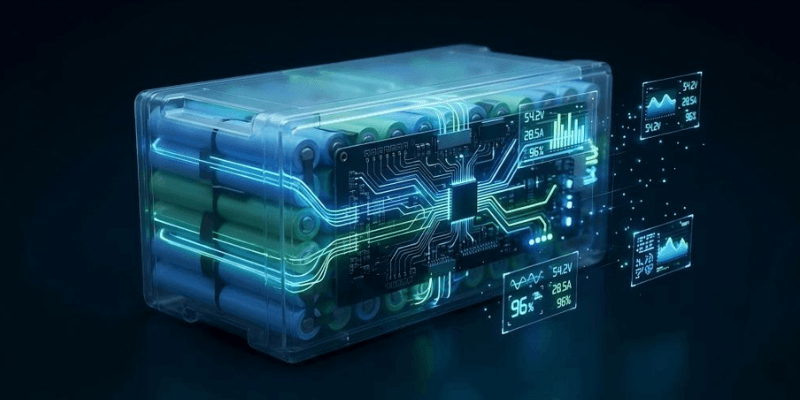
Ein Standard-BMS, das für stationäre Anwendungen konzipiert ist, wird bei Robotern mit Beinen eine unterdurchschnittliche Leistung erbringen. Drei Anforderungen sind nicht verhandelbar.
Aktuelle Abtastrate
Standard-BMS-Hardware-Samples bei 10 bis 100 Hz. Ein 50-ms-Transient kann bei dieser Auflösung vollständig übersehen werden. Für Roboter mit Beinen ist eine Stromabtastung von 1 kHz oder höher erforderlich. Sie können nicht vor etwas schützen, das Sie nicht messen können.
Auf Ihr Lastprofil abgestimmte Schutzschwellen
Wenn Ihr Roboter während der Fortbewegung regelmäßig 5x Dauerstrom zieht, führt ein auf 2x eingestellter Schutzschwellenwert zu ständigen Fehlauslösungen. Die BMS-Schutzeinstellungen müssen Ihr tatsächliches transientes Profil widerspiegeln, nicht generische Standardeinstellungen, die für eine andere Anwendung erstellt wurden.
Dynamische Leistungsbegrenzung
Ein leistungsfähiges Roboter-BMS sollte der Robotersteuerung kontinuierlich die verfügbare Spitzenleistung auf der Grundlage des Echtzeit-Ladezustands und der Zellentemperatur melden. Dies ermöglicht die volle Leistung, wenn die Bedingungen dies zulassen, eine sanfte Leistungsreduzierung in der Nähe von Grenzwerten und keine abrupten Abschaltungen während der Fortbewegung.
Die SOC-Fenster-Realität
Anwendungen mit hohen Transienten können nicht sicher 100 % der Nennkapazität der Batterie nutzen. Das praktisch nutzbare Fenster liegt bei 20 % bis 90 % SOC, was etwa 70 % der Nennkapazität entspricht.
Unterhalb von 20 % SOC steigt DCiR stark an und die Spitzenleistungsfähigkeit sinkt. Über 90 % SOC beschleunigt sich der Abbau.
Eine einfache Faustregel: Wenn Ihr Roboter 1,5 kWh nutzbare Energie benötigt, geben Sie ein Paket mit einer Nennleistung von mindestens 2,1 kWh an. Viele Teams sind von dieser Lücke zwischen Papierberechnungen und tatsächlicher Feldleistung überrascht.
Was Sie Ihren Batteriehersteller fragen sollten
Bei der Beschaffung von a maßgeschneiderter AkkuDiese Fragen trennen funktionale Designs von technischen Datenblattillusionen.
- Wie hoch ist der DCiR zu Beginn und am Ende der Lebensdauer, bei minimaler Betriebstemperatur und 20 % SOC?
- Wie hoch ist der Nenn-Spitzenentladestrom und für welche Dauer?
- Wie hoch ist die aktuelle Abtastrate des BMS?
- Wurde die Lebensdauer anhand eines transient-repräsentativen Profils oder nur anhand von Tests mit konstantem Strom validiert?
- Wie hoch sind die Schock- und Vibrationswerte?
- Was IP-Schutzart Trägt der Rucksack?
Wenn ein Lieferant diese Fragen nicht eindeutig beantworten kann, haben Sie Ihre Antwort bereits.
Letzte Gedanken
Die Auswahl einer Batterie für einen Roboter mit Beinen ist keine Datenblattübung. Praxiserprobte Roboter werden von Batteriesystemen angetrieben, die für die vorübergehende Realität und nicht für durchschnittliche Bedingungen entwickelt wurden.
Wenn Sie einen vierbeinigen oder humanoiden Roboter entwickeln und Ihre Batteriearchitektur an das reale Lastverhalten anpassen möchten, arbeitet unser Team direkt mit Robotik-Ingenieurgruppen zusammen individuelles Packungsdesign. Wir gehen von Ihrem tatsächlichen Lastprofil aus, nicht von einer Katalogempfehlung.