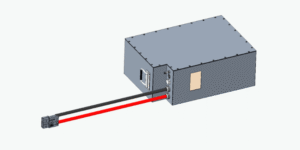


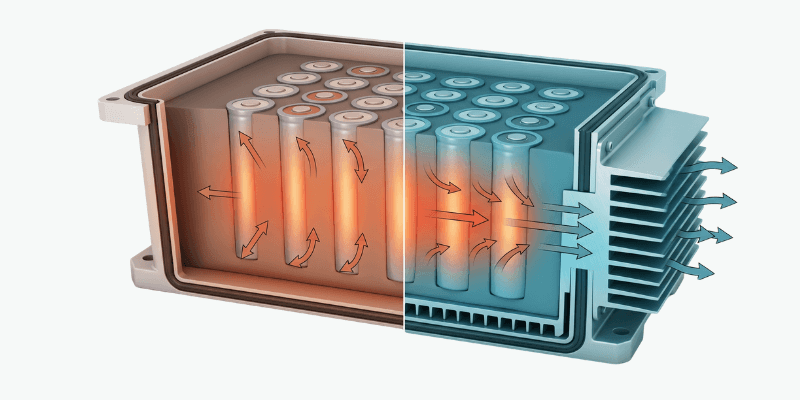
Le apparecchiature marine ad alta velocità devono fornire una potenza elevata per lunghi periodi. Sistemi come eFoil e la robotica subacquea assorbono correnti continue elevate all’interno di involucri sigillati. Quando il allegato è sigillato e il materiale di rivestimento non è progettato per il flusso di calore, il calore generato all'interno della batteria potrebbe rimanere intrappolato. Ciò aumenta l'usura e può accelerare il cedimento, soprattutto nelle zone più calde del PACCHI BATTERIA.
Molti fornitori danno priorità innanzitutto alla prevenzione dell’ingresso di acqua. Per carichi di scarico elevati, il sistema di invasatura può ridurre involontariamente il trasporto di calore. Questo problema di affidabilità è noto come intrappolamento termico. Questa guida ai cluster si concentra su come progettare l'invasatura in modo che supporti il flusso di calore e su come convalidarlo con l'approvvigionamento di prove che i team CTO possono richiedere. L'articolo è un'estensione diretta della nostra guida ai pilastri Affidabilità delle batterie marine IP68: ingegneria di resinatura (potting).
Il rischio principale: il flusso di calore può diventare sbilanciato
Durante la scarica, la batteria genera calore nella pila di celle e nei percorsi della corrente elettrica. Il pacco batteria deve spostare il calore attraverso il percorso termico creato dal sistema di invasatura e dall'alloggiamento.
L'affidabilità dipende da due domande:
1) Quanto calore genera la batteria sotto il profilo di servizio
2) Quanto efficientemente il calore viene trasportato all'esterno attraverso l'aria erogata Progettazione del pacco batteria
Il design dell'invasatura influisce sulla seconda domanda. Se l’invasatura non fornisce un contatto termico e un trasporto di calore costanti, le regioni centrali o i punti caldi possono diventare più caldi del previsto. Temperature più elevate accelerano l’invecchiamento e aumentano la resistenza interna nel tempo. Ciò può portare a un ulteriore accumulo di calore nei cicli successivi, creando un ciclo di feedback.
Negli interventi guidati dallo smontaggio, spesso vediamo modelli di invecchiamento non uniformi coerenti con l'intrappolamento termico. Nei casi peggiori, la temperatura può superare i limiti definiti dalla scheda tecnica della cella e dalla strategia di protezione. Ciò aumenta la probabilità di fine vita anticipata o di eventi di protezione.
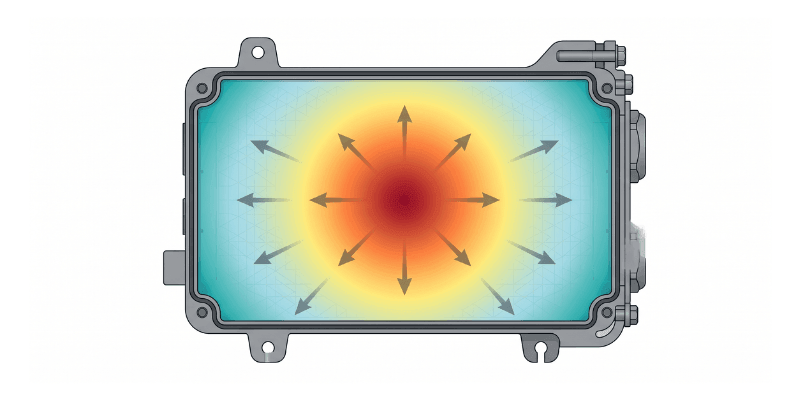
Come pensare all'invasatura per compiti ad aliquota elevata
Per il CTO e il processo decisionale in materia di approvvigionamento, l’obiettivo è semplice. Il sistema di invasatura deve comportarsi come un percorso termico attivo e non solo come un sigillo.
Un design affidabile ad alta velocità richiede in genere quattro leve allineate.
1) Selezione dei materiali: conduttività termica e stabilità
Non dare per scontato che "qualsiasi resina impermeabile funzioni". Le architetture ad alta velocità spesso richiedono sistemi in poliuretano o silicone termicamente conduttivi progettati per il trasporto del calore.
Dettagli sull'approvvigionamento: i fornitori dovrebbero fornire prove delle prestazioni termiche, non solo dichiarazioni di marketing.
2) Contatto termico: evitare vuoti e scarsa umidità
Anche un materiale per invasatura termicamente conduttivo può fallire come percorso termico se lascia vuoti o non stabilisce un contatto affidabile attorno a fonti di calore critiche.
Gli obiettivi di progettazione includono:
- buona bagnatura alle interfacce critiche
- rischio minimo di vuoti durante la miscelazione e l'erogazione
- geometria di invasatura che supporta un flusso coerente di resina attorno alla pila di celle e alle strutture rigide
3) Architettura: ridurre i colli di bottiglia termici
Lo spessore e la geometria dell'invasatura influiscono sulla resistenza termica. I progetti con carichi elevati generalmente evitano volumi di invasatura isolanti spessi attorno alle regioni più calde.
Il confine dell'invasatura dovrebbe creare un accoppiamento termico coerente tra:
- regioni che producono calore, come la pila di celle e i percorsi della corrente
- le superfici dell'involucro che fungono da dissipatore di calore
Alcuni progetti includono anche caratteristiche strutturali interne che migliorano il trasferimento di calore pur mantenendo l'affidabilità della tenuta.
4) Gestione della cura esotermica: proteggere le cellule durante la produzione
Thermally conductive resins can generate additional heat during curing. Thick pours increase the risk of exotherm and early temperature stress.
Cure risk controls should include:
- temperature-aware manufacturing discipline
- temperature monitoring where appropriate
- cure profile traceability tied to program acceptance
Acceptance should be defined against the cell temperature limits and the program’s reliability targets.
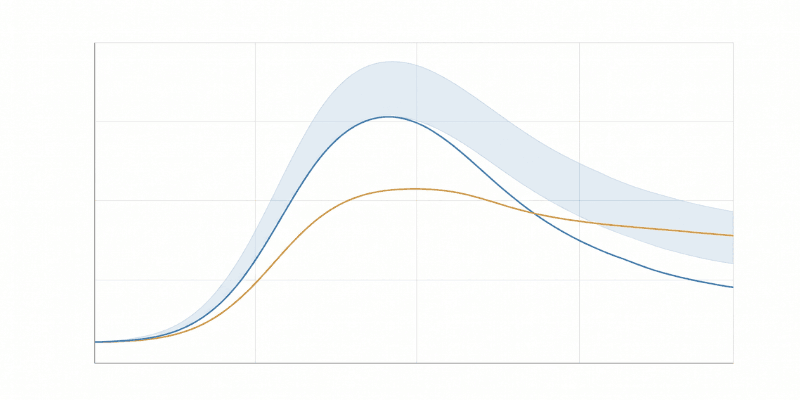
Procurement Validation Metrics: Evidence You Can Request
Thermal claims must be validated with data that matches marine duty conditions. “CAD simulation” is not enough for thermal trapping risk.
During supplier evaluation, request evidence in four categories:
| Evidence Category | What to Request | How It Is Validated | Pass Criteria (Program-defined) |
| Resin heat transport | Prova del test di conducibilità termica o registro dei test sui materiali equivalenti | Testato su campioni polimerizzati rappresentativi utilizzando lo spessore indicato | Soddisfa l'obiettivo del programma per il trasporto del calore derivato dalla progettazione del servizio |
| Temperatura di picco del punto caldo | Registrazione termica a livello di unità | Scarico continuo a pieno carico rappresentativo del servizio | Rimane entro i limiti di temperatura della cella con un margine basato sulla tolleranza al rischio del programma |
| Uniformità della temperatura | Mappatura della temperatura multipunto | Termocoppie o sensori equivalenti in regioni calde rappresentative | Il delta dell'hot spot rimane entro i limiti definiti dal programma |
| Cura la sicurezza esotermica | Cura la registrazione termica e la tracciabilità dei lotti | Registrato durante la fase di polimerizzazione in condizioni di processo definite | Non supera i limiti di temperatura della cella e del gruppo per la massa e la geometria di polimerizzazione definite |
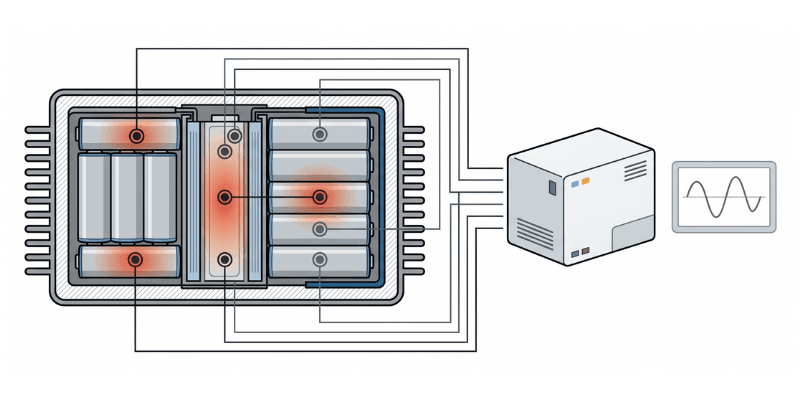
Implicazioni per la validazione: i fornitori dovrebbero fornire dati di registrazione termica a livello di unità, compreso il posizionamento del sensore e il tempo di stabilizzazione, derivanti da test su prototipi rappresentativi. Dovrebbero inoltre fornire la tracciabilità del processo di incapsulamento mostrando il degasaggio e la miscelazione controllati, oltre al comportamento di polimerizzazione controllato. La verifica dell'integrità finale dovrebbe far parte del pacchetto di prove consegnato.
Conclusione
Per il servizio marittimo ad alta velocità, il design dell'invasatura deve supportare il flusso di calore sotto il profilo operativo reale. Il rischio di intrappolamento termico può essere ridotto quando la formulazione dell’invasatura, la geometria, la polimerizzazione e la ripetibilità del processo vengono convalidate con prove che i team CTO e procurement possono esaminare.