


Custom LiFePO4 Batteries for Energy Storage
48V and 51.2V LiFePO4 storage modules in wall-mount, server-rack, mobile and portable formats, for solar, backup and telecom systems. Built for brands and integrators who need their own model: enclosure, BMS, inverter communication and labelling to your specification.

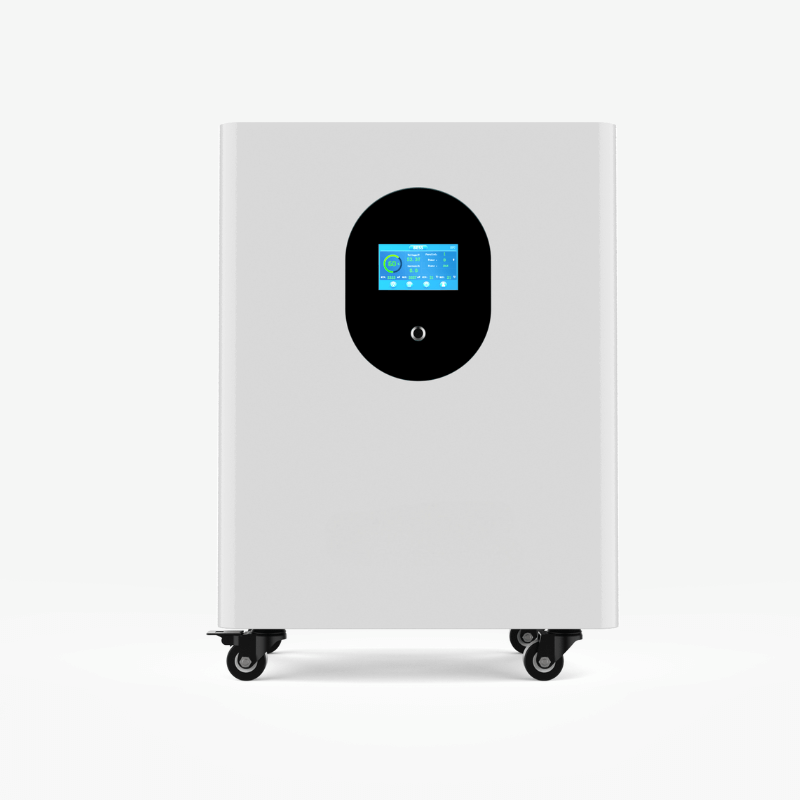

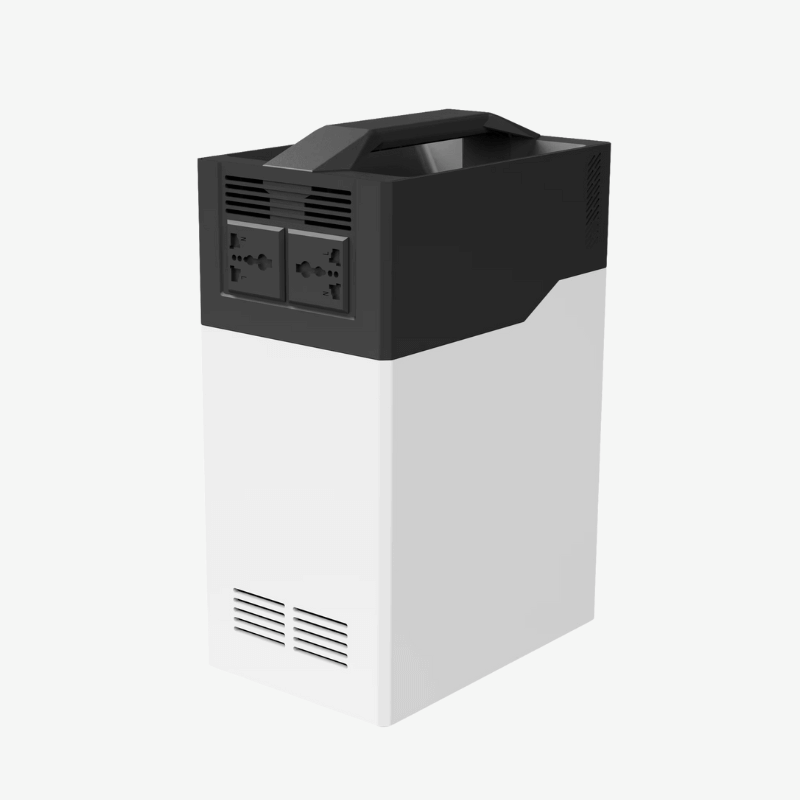
Storage formats we build
| Formato | Uso típico | ¿Qué impulsa el diseño? | Paquetes de referencia |
|---|---|---|---|
| Server-rack modules | Telecom, commercial backup, scalable solar banks | Rack dimensions, parallel operation, inverter communication | 48V 200Ah rack (200A BMS, 16 in parallel) |
| Wall-mount residential | Home solar and backup | Appearance, wall load, compatibility with common inverters and charge controllers | 48V 200Ah wall-mount (10kWh) |
| High-capacity floor units | Larger homes, small commercial | Energy per unit, on-board display | 51.2V 314Ah, 16.07kWh with touch screen |
| Mobile storage | Backup that moves between sites or rooms | Wheels, handles, integrated protection | 51.2V mobile storage |
| Portable power stations | Field work, outdoor, emergency kits | Integrated inverter, MPPT solar input, weight | 1000Wh / 300W power station |
Sizing a storage battery
Size from the load, not from the solar array. Start with the energy the site uses during the hours the battery must cover, add days of autonomy if the system must ride through poor weather, then allow for depth of discharge and inverter losses. Check power separately: the battery must also deliver the inverter’s peak, such as a pump or compressor starting.
- Energy used overnight and through an outage:
12 kWh/day, one day of autonomy - Depth of discharge 90% and inverter efficiency 95% →
12 ÷ (0.9 × 0.95) ≈ 14 kWh - Peak load from the inverter, e.g.
6 kW→6,000 ÷ 51.2 V ≈ 117 Afrom the battery
Inverter integration
- Closed-loop communication
- CAN or RS485 between BMS and inverter lets the inverter follow the battery’s charge and discharge limits instead of a fixed voltage. The protocol has to match your inverter, so send the inverter model and we confirm compatibility before quoting.
- Open-loop operation
- With charge controllers or inverters that only read voltage, charge settings are set from the pack’s voltage limits. Lithium needs no equalisation and no high float voltage.
- Voltaje
- “48 V” LiFePO4 is 16 cells, 51.2V nominal. A 15S pack is 48.0V nominal. Inverters and controllers labelled 48V usually expect 16S; check the voltage window rather than the label. See Configuraciones de LiFePO4.
- Monitoring
- Bluetooth, a display on the unit or remote monitoring where the product needs it.
Scaling up: parallel modules and system design
Low-voltage systems scale by putting identical modules in parallel; our 48V 200Ah rack module supports up to 16 in parallel. Parallel systems need modules of the same design and firmware, a master BMS or inverter that manages the bank, and busbars and fuses sized for the combined current.
Whether one large unit or many small ones is better depends on redundancy, installation access and how the system will grow. For the architecture trade-offs, see distributed vs centralised energy storage y Almacenamiento de energía en baterías 101.
- Estándares
- Stationary lithium batteries are commonly assessed against UL 1973 and IEC 62619, and complete systems against UL 9540 with UL 9540A fire testing in North America. What your market requires, and which reports cover your exact design, is confirmed at quotation.
- Own-brand storage
- Enclosure colour, logo, model number, display screens and packaging can all be yours; see OEM y marca privada.
Plazo de entrega y cantidad del pedido
A partir de una especificación bloqueada: muestras en 12 a 15 días hábiles cuando las células están en stock, 20 a 25 días cuando las células deben obtenerse; producción en 30-35 días laborables. Desde la primera conversación de diseño: alrededor de 4 semanas para un diseño finalizado sin herramientas nuevas, de 8 a 12 semanas para un proyecto personalizado típico, de 14 a 18 semanas cuando la certificación está dentro del alcance. Cómo funciona cada fase: proceso de desarrollo de paquete de baterías personalizado y nuestras capacidades de fabricación.
Energy storage battery questions
Will your battery work with my inverter?
How many cycles will a LiFePO4 storage battery last?
Can I add modules later?
Can the battery be installed outdoors?
Do you make portable power stations under our brand?
Send your storage requirements
Un ingeniero responde con preguntas o una configuración propuesta. Cuanto más pueda compartir de esta lista, más rápido podremos cotizar:
- Application: home, commercial, telecom or portable
- Daily energy use and hours of backup
- Peak load and inverter model
- Nominal voltage and communication protocol
- Format: wall, rack, floor or portable
- Installation environment and temperature
- Target market and certifications
- Annual volume and branding needs