

Baja temperatura reduce la capacidad de energía de la batería. En equipos pesados, esto puede provocar caídas de voltaje, disparos del controlador y daños evitables a la batería durante la carga.
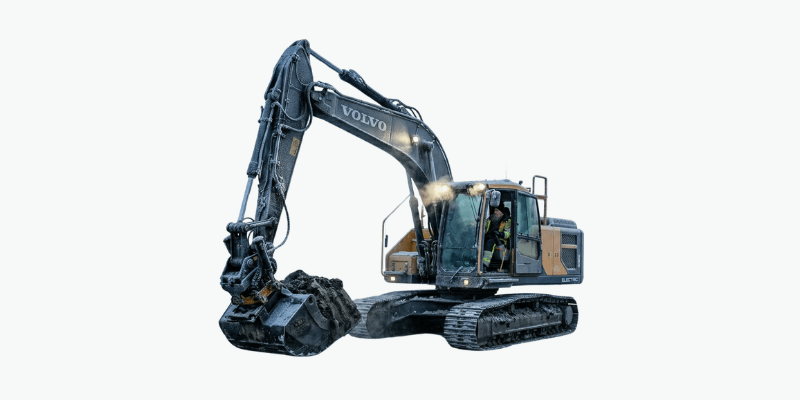
Este estudio de caso describe cómo Holo Battery rediseñó un 48V 400Ah Sistema de batería LFP para una flota noruega de excavadoras eléctricas que opera en condiciones invernales de hasta -25 °C.
El problema
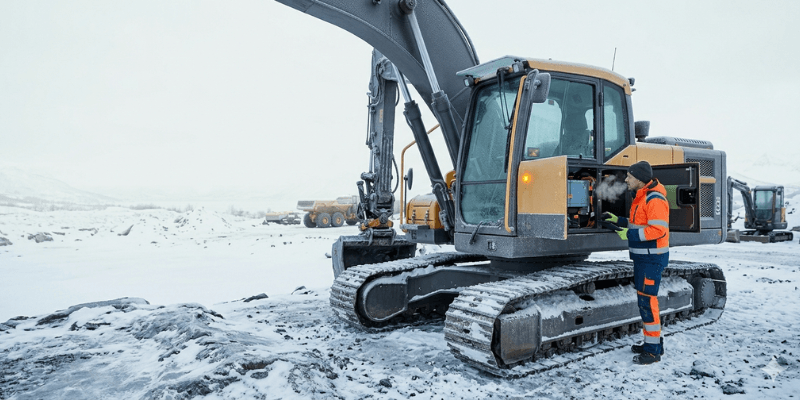
El cliente operaba 50 excavadoras eléctricas en la región de Oslo. Las máquinas originales utilizaban paquetes de baterías LFP estándar de 48 V y 400 Ah sin función de precalentamiento activo y sin bloqueo de carga efectivo a baja temperatura.
A -25°C, la impedancia celular aumentó bruscamente. Durante el levantamiento de objetos pesados, las bombas hidráulicas generaban corrientes explosivas de hasta 300 A. En esas condiciones, el voltaje del paquete cayó lo suficiente como para activar la protección contra subvoltaje del bus de CC de 36 V de la máquina. Los operadores informaron de cuatro a cinco reinicios por turno.
La carga creó un segundo problema. Debido a que el sistema original no imponía una secuencia de precalentamiento antes de la carga, la carga podía comenzar mientras las celdas aún estaban por debajo de la ventana de temperatura segura. Durante una temporada de invierno, las mochilas perdieron aproximadamente el 30% de su capacidad utilizable.
El rediseño de la batería
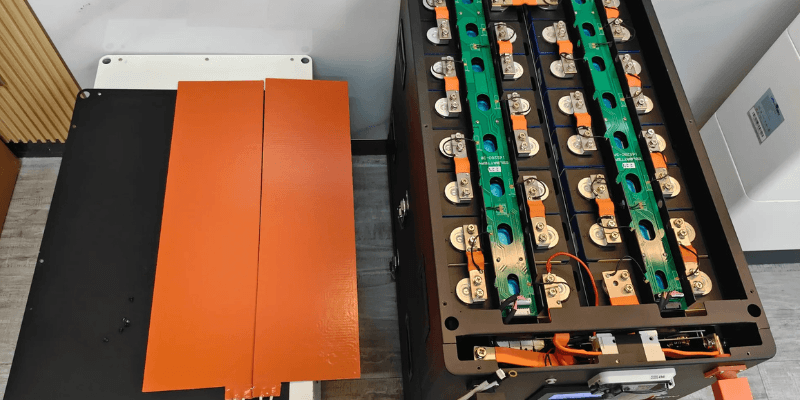
Holo Battery desarrolló un sistema LFP gestionado térmicamente para uso en campo a baja temperatura. El paquete utiliza una configuración 15S con un voltaje nominal de 48V. El diseño abordó tres áreas: calentamiento del paquete, retención de calor y control de carga.
1. Calefacción distribuida
Se integraron películas calentadoras de poliimida entre los módulos de celdas. La red de calefacción proporcionó hasta 0,8 W/cm² de flujo de calor controlado.
Cuando se conecta a la red eléctrica, el paquete se puede calentar de -25 °C a 15 °C en aproximadamente 45 minutos.
2. Aislamiento Térmico
El conjunto del módulo se aisló con aerogel de 3 mm para reducir la pérdida de calor durante el uso en exteriores. Después del precalentamiento y la operación típica, el paquete mantuvo la temperatura central por encima de 15 °C durante un período de inactividad de dos horas a -25 °C ambiente.
3. Lógica de precalentamiento antes de cargar
El BMS Acceso controlado al cargador basado en la retroalimentación de temperatura interna. Cuando se enchufó la máquina, la energía entrante se dirigió primero a los calentadores. La carga permaneció desactivada hasta que el paquete alcanzó una temperatura mínima validada de 15°C.
El umbral de 15 °C se seleccionó basándose en datos de pruebas internas que mostraban una aceptación de carga aceptable y un riesgo de recubrimiento insignificante a esta temperatura para las celdas utilizadas.
Esto evitó la carga a una temperatura de celda insegura y redujo el riesgo de recubrimiento de litio.
Resultados de la prueba
Condición de prueba: descarga de pulso de 300 A a -25 °C de temperatura ambiente.
El paquete original fue probado a temperatura ambiente. El sistema Holo Battery se precalentó antes de la prueba de pulso.
| Métrico | Paquete estándar original | Sistema de ingeniería de batería Holo | Impacto práctico |
|---|---|---|---|
| Temperatura central del paquete al inicio de la prueba | −25°C | 18ºC | Mayor potencia utilizable |
| Caída de voltaje durante el pulso de 300 A | Caída de 14,2 V | Caída de 3,1 V | Menos paradas bajo carga de elevación |
| Control de carga en condiciones bajo cero | Sin bloqueo de precalentamiento efectivo | Carga habilitada solo por encima de 15°C | Reducción del daño por carga a baja temperatura |
| Pérdida de capacidad después de una temporada equivalente al invierno | 32% | <2% | Vida útil más larga |
Nota: La retención de capacidad se midió a temperatura ambiente antes y después de una temporada operativa equivalente al invierno. Una temporada representa unos cinco meses de uso a ocho horas diarias. Los resultados reales dependen del ciclo de trabajo, el comportamiento de carga y la exposición térmica.
Impacto empresarial
El cliente estimó el coste del tiempo de inactividad en aproximadamente 150 dólares por hora. Según la pérdida de productividad reportada, las interrupciones por clima frío costaban alrededor de 600 dólares por máquina al día.
El reemplazo de la batería agregó un costo adicional. Los paquetes originales a menudo requerían ser reemplazados después del funcionamiento en invierno, a un costo aproximado de 4.500 dólares por paquete.
Después del rediseño, la flota monitoreada completó dos temporadas de invierno sin reemplazos de baterías atribuidos a daños en la carga por baja temperatura y sin reportes de paradas por clima frío durante el funcionamiento normal.
El cliente recuperó el coste adicional de ingeniería en unos cuatro meses.
Por qué es importante
En entornos bajo cero, la confiabilidad de la batería depende de algo más que la capacidad nominal. Las baterías de equipos pesados deben diseñarse como sistemas termoeléctricos.
Eso significa tener en cuenta:
- temperatura de arranque en frío
- demanda actual pico
- estrategia de aislamiento
- pérdida de calor inactivo
- enclavamientos de carga
- Lógica BMS
- condiciones de servicio en el campo
Para los equipos de construcción y fuera de carretera, estos factores afectan directamente el tiempo de actividad y el costo total de propiedad.
Siguiente paso
Si su equipo funciona bajo cero, envíe a Holo Battery su perfil de corriente máxima, ciclo de trabajo, método de carga y temperatura ambiente mínima ensales@holobattery.com.
Nuestro equipo de ingeniería puede proporcionar una recomendación de arquitectura térmica en un plazo de 48 horas.