
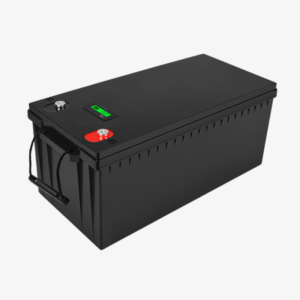
Questa batteria LFP da 12 V è ideale per piccoli sistemi solari domestici e accumulo di energia, inclusi banchi batterie da 12 V, 24 V o 48 V per roulotte, cabine o uso marino. Sostituiscono inoltre direttamente le batterie al piombo-acido, consentendo facili aggiornamenti grazie alle dimensioni e ai tipi di terminali identici.
| Peso | 20 chilogrammi |
|---|---|
| Tensione nominale | 12,8 V |
| Capacità | 200 Ah |
| Energia | 2,56 kWh |
| Tipo di batteria | Prismatico agli ioni di litio |
| Corrente di scarica continua massima | 200A |
| Corrente di carica | 100A |
| Dimensioni | 520 x 240 x 224 mm |
| Temperatura di carica | 0~55°C |
| Temperatura di scarico | -20~75°C |
| Temperatura di conservazione | 0~35°C |
Un sostituto drop-in LiFePO4 da 12,8 V 200 Ah costruito in base all'ingombro della batteria al piombo-acido che sostituisce, quindi l'installazione stessa non cambia. L'energia nominale è di circa 2,56 kWh (calcolata dalla tensione nominale e dalla capacità nominale; l'energia utilizzabile fornita dipende dalla corrente di scarica, dalla temperatura operativa, dalla tensione di interruzione e dal ciclo di lavoro dell'applicazione). Il pacco eroga una corrente di scarica continua di 200 A, nominale con un assorbimento completo di 1 C, con margine per le richieste di carichi di lavoro motori.
La ricarica a 100 A lo porta al massimo in circa 2,5 ore. La finestra operativa è -20~75°C in scarica e 0~55°C in carica. La confezione misura 520 x 240 x 224 mm e pesa 20 kg.
All'interno della nostra gamma da 12 V, questo si colloca tra le versioni da 150 Ah e 205 Ah. Se il tuo obiettivo di autonomia è più ristretto del previsto una volta modellato il ciclo di lavoro, la configurazione da 205 Ah è il solito passo successivo; se il peso o l'ingombro sono il vincolo vincolante, la versione da 150 Ah è più leggera.
L'ingombro del case, il tipo e la posizione del terminale, la capacità e il comportamento del BMS sono specificati in modo che la sostituzione avvenga senza modifiche nell'installazione esistente. La comunicazione su CAN o RS485 è disponibile dove il sistema lo prevede, con Bluetooth per il monitoraggio locale.
Si adatterà alla scatola della batteria senza modifiche?
Questo è l'intento progettuale. Inviare le dimensioni della scatola e le posizioni dei terminali e confermiamo prima del preventivo.
Il risparmio di peso è significativo?
Sostanziali, di solito più della metà. La cifra esatta dipende dalla batteria al piombo da sostituire.
Celle prismatiche LFP di grado A, generalmente con riconoscimento UL a livello di cella. Ogni pacco viene spedito con il rapporto di prova UN38.3 e la MSDS predisposti per trasporto aereo, marittimo e stradale. Assemblaggio e collaudo richiedono circa 7 giorni lavorativi. A determinare i tempi complessivi è l’approvvigionamento delle celle: se le celle necessarie sono a magazzino i campioni partono in 12–15 giorni lavorativi; se vanno approvvigionate, calcolate 20–25. Indicateci la data obiettivo per tempo: verifichiamo la disponibilità delle celle prima che vi impegniate. La produzione richiede 30–35 giorni lavorativi. Non esiste un quantitativo minimo d’ordine: quotiamo anche il singolo pezzo, con prezzi che migliorano sensibilmente da 100 pacchi in su. La garanzia sui pacchi LiFePO4 è in genere di 3–5 anni, in funzione del regime di scarica dell’applicazione; l’uso ad alta corrente la riduce.
La nostra divisione ingegneristica progetta pacchi batteria su misura con CANBUS, RS485, custodie in alluminio personalizzate e caricatori abbinati.

Produttore cinese di pacchi batterie personalizzati. Al servizio di partner OEM/ODM industriali, delle telecomunicazioni, del settore marittimo, della robotica e del settore medicale in oltre 40 paesi.
Invia i dettagli dell'applicazione e confermeremo se questa configurazione soddisfa i tuoi requisiti di tensione, corrente, custodia e comunicazione. Risponderemo entro un giorno lavorativo; si prega di attendere un'e-mail da “@holobattery.com”.


