


Custom 12V/24V Sodium-Ion Packs & 51.3V Cold-Climate ESS for OEMs
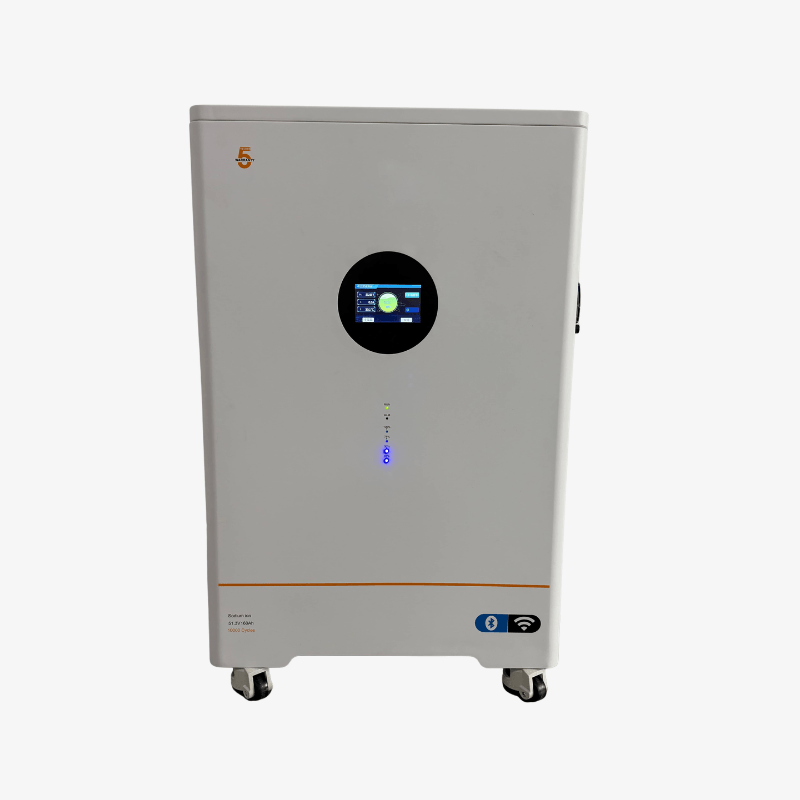
Sodium-ion battery packs rated for −40°C discharge without heaters and controlled by wide-voltage BMS hardware (charge windows: −20°C to +50°C on 12V 32140 builds; 0°C to +60°C on 51.3V NFPP ESS). We engineer custom 12V (4S) and 24V (8S) multi-parallel packs for vehicles, telecom, and industrial backup, alongside turnkey 51.3V 160Ah (8.2kWh) 18S1P prismatic NFPP systems for cold-climate residential and off-grid storage.
Why we build custom sodium-ion at 12V/24V and 51.3V ESS on 18S1P cells
Sodium-ion cells have a sloped discharge curve compared with the flat plateau of LiFePO4. When dozens of small cylindrical sodium-ion cells are wired in high series-parallel strings (such as 16S10P or 18S12P), small impedance differences between cells widen faster under deep cycling. We build sodium-ion packs in two topologies so cell balance stays predictable over multi-year use.
| Architecture | Voltage & Cell Topology | Why This Boundary Works | Target OEM Applications |
|---|---|---|---|
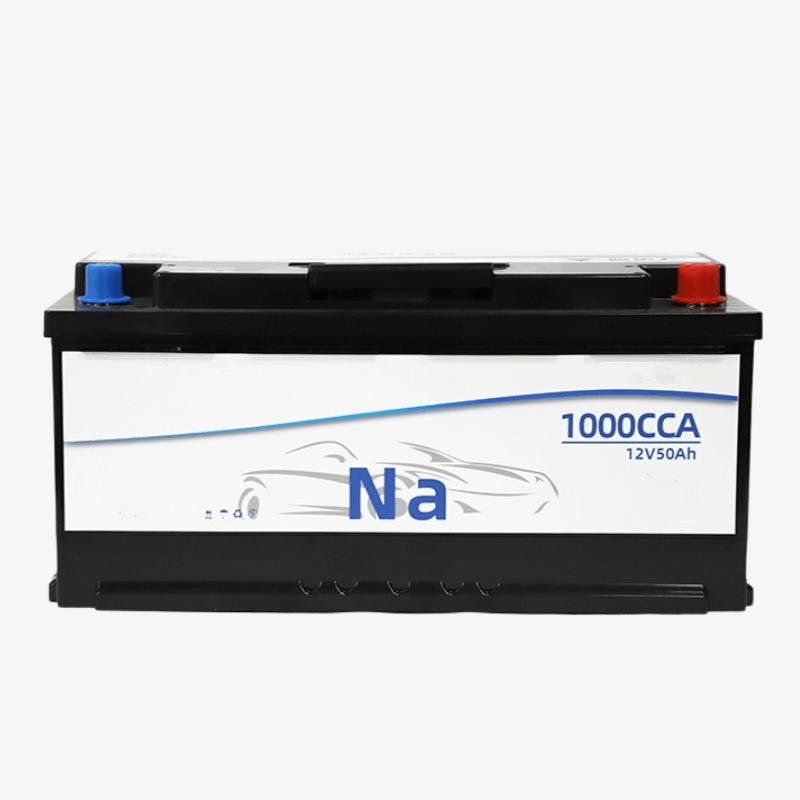
| Track 1: Custom Multi-Parallel Packs | 12V (4S) & 24V (8S), 10Ah–400Ah using 32140 cylindrical or prismatic cells | Keeping series count at 4S or 8S maintains tight cell balance and delivers >3,000 cycles without voltage drift across wide temperature swings. | Cold-climate vehicle cranking (H5–H9), truck auxiliary & parking power, remote off-grid solar radio relays, industrial UPS. |
| Track 2: Turnkey High-Voltage ESS | 51.3V 160Ah (8.2kWh), 18S1P single-string prismatic NFPP cells | Using one 160Ah prismatic cell per series step (1P) eliminates parallel cell-mismatch risk while delivering ≥6,000 cycles (up to 10,000 cycles @ 25°C, 0.5C, 80% EOL). | OEM / white-label residential solar storage, northern cold-climate cabins, off-grid telecom & microgrid cabinets. |
Inverter compatibility note for 51.3V ESS: an 18S1P NFPP pack operates across a 36.0–62.1V voltage window and reaches 62.1V at full charge (3.45V/cell). Confirm your inverter or MPPT charge controller supports the full 36.0–62.1V range and matching CAN / RS485 protocol before ordering. See our 51.3V 160Ah (8.2kWh) Vertical Sodium-Ion ESS specification.
Reference sodium-ion builds
| Model / Platform | Configuration | Key Electrical Rating | Operating Window | Product Page |
|---|---|---|---|---|
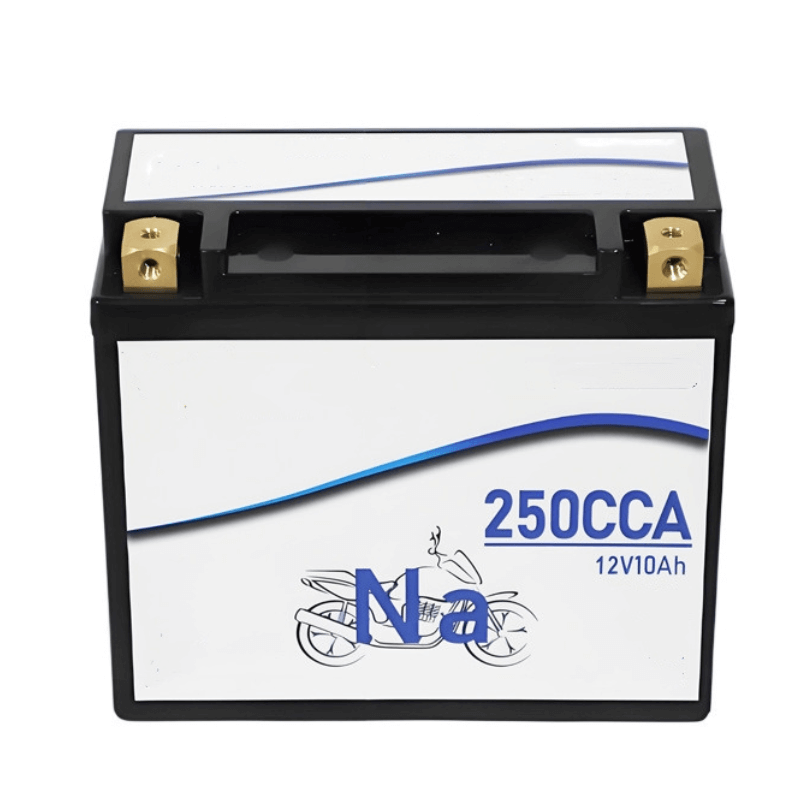
| 12V 10Ah Compact Pack | 4S1P (32140) | 120 Wh, 250 CCA pulse | −40°C to +80°C discharge | 12V 10Ah Sodium-Ion |
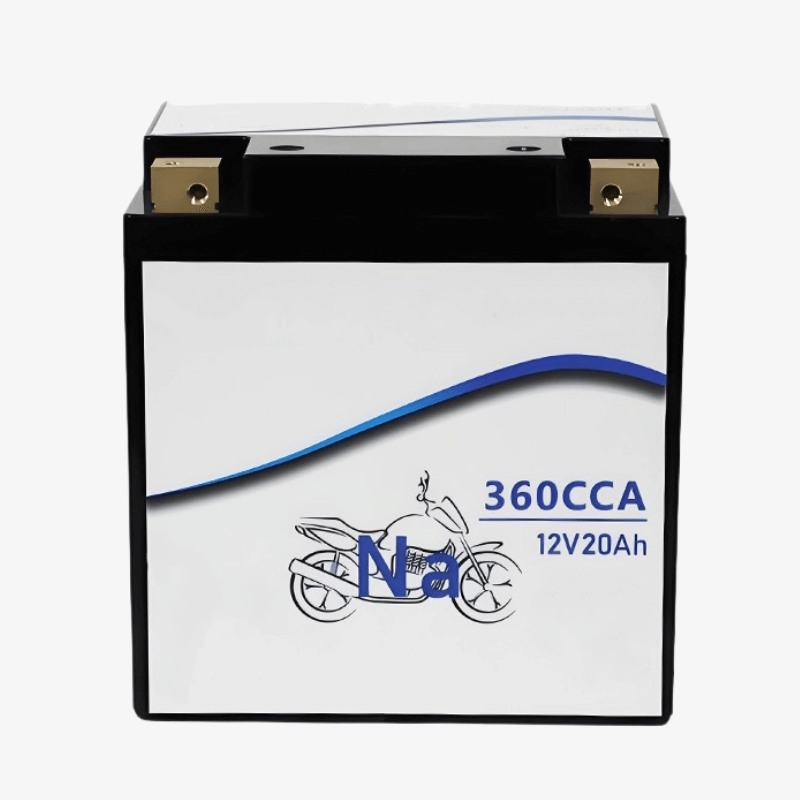
| 12V 20Ah Industrial & UPS | 4S2P (32140) | 240 Wh, 60A continuous (3C) | −40°C to +80°C discharge | 12V 20Ah Sodium-Ion |
| 12V 30Ah Start-Stop (H5 / H6) | 4S3P (32140) | 360 Wh, 750 CCA cranking | −40°C to +80°C discharge | 12V 30Ah H5 · 12V 30Ah H6 |
| 12V 40Ah Start-Stop (H7 / H8) | 4S4P (32140) | 480 Wh, 850 CCA cranking | −40°C to +80°C discharge | 12V 40Ah H7 · 12V 40Ah H8 |
| 12V 50Ah Heavy Start-Stop (H9) | 4S5P (32140) | 600 Wh, 1000 CCA cranking | −40°C to +80°C discharge | 12V 50Ah H9 |
| 24V Custom OEM Series | 8S (10Ah–400Ah) | Custom continuous & pulse ratings | −40°C to +70°C discharge | Built to OEM specification |
| 51.3V 160Ah Vertical ESS | 18S1P Prismatic NFPP | 8.2 kWh, 210A–300A BMS protection | −40°C to +60°C discharge, 0°C to +60°C charge | 51.3V 160Ah 8.2kWh ESS |
32140 cell-level abuse and cold-discharge validation
The measurements below are cell-level laboratory test results on the 32140 cylindrical sodium-ion cells used in our 12V/24V builds. Pack-level operating limits (such as −40°C discharge and 0°C to +60°C charge on the 51.3V NFPP ESS) and transport documentation are verified separately per pack configuration.
| 32140 Single-Cell Test Item | Test Condition | Observed Cell Result |
|---|---|---|
| Cell cold discharge (−20°C) | 0.5C constant current (32140 cell) | 88.9% rated capacity retained without heaters |
| Cell cold pulse (−29°C) | 80% SOC, 10C pulse discharge (32140 cell) | Pass, stable pulse voltage delivery |
| Cell 24 h 0V recovery test | 32140 cell held/shorted at 0V for 24 h | Recovered to full rated capacity in lab test |
| Cell overcharge abuse test | 32140 cell charged to 6.0V | Pass: no fire, no explosion |
| Cell external short-circuit test | 32140 cell, <5 mΩ external resistance | Pass: no fire, no explosion |
| Cell impact & 130°C hot-box tests | 32140 cell: 9.1 kg impact; 130°C chamber | Pass: no fire, no explosion |
Wide-voltage BMS and system integration
Standard LiFePO4 BMS boards cannot be reused on sodium-ion packs. Because sodium-ion cells operate across a wider voltage swing (down to 1.5V–2.0V/cell on discharge and up to 3.45V–3.95V/cell depending on cathode chemistry), our BMS hardware and firmware are calibrated specifically for sodium-ion cutoff thresholds, SOC estimation, and active/passive balancing.
Available interfaces include CAN (CAN 2.0B, CANopen, J1939), RS485 (Modbus RTU), SMBus, and Bluetooth diagnostics. For OEM ESS cabinets, we configure inverter communication protocols and white-label enclosures per program.
Frequently asked questions
Why do you recommend 12V or 24V for custom multi-parallel sodium-ion packs instead of 48V cylindrical builds?
Can sodium-ion packs operate at −40°C without heating pads?
What inverter voltage window does the 51.3V 160Ah (8.2kWh) sodium-ion ESS require?
Does the 24-hour 0V test mean any sodium-ion pack can be stored or shipped at 0V?
Further reading
Send your sodium-ion requirements
Share your operating temperature and electrical profile so our engineers can confirm whether 12V/24V custom sodium-ion or 51.3V 18S1P ESS fits your project:
- Application type (vehicle cranking, off-grid telecom, UPS, or home/commercial ESS)
- Target voltage (12V, 24V, or 51.3V) and required energy (Wh or kWh)
- Lowest operating and charging ambient temperature
- Continuous and peak discharge current (or CCA requirement)
- Inverter / charger model and communication protocol (CAN / RS485)
- Enclosure dimensions and annual volume