We engineer 4S to 30S LiFePO4 configurations aligned with inverter voltage cutoffs, thermal thresholds, and physical envelope constraints.

Cell series-parallel configurations dictate usable watt-hours and cycle longevity. We match structural cell counts to your continuous discharge rates and inverter operating windows.
Deep-cycling house banks, AGV logistics equipment, and off-grid remote nodes. Available with heavy-duty structural potting for high-vibration mobile equipment.
Engineered for light electric mobility and high-torque industrial tooling, maintaining stable voltage discharge under rapid acceleration profiles.
Standard architecture for server rack battery storage, robotic automated warehouses, and telecom backup systems requiring strict voltage cutoffs.
High-voltage traction batteries for heavy material handling, marine propulsion, and utility vehicles, utilizing automated laser busbar welding and FR4 epoxy insulation.
The Battery Management System actively enforces thermal boundaries, governs cell balancing routines, and executes low-latency cutoffs under peak surge loads.
Algorithm Logic
We analyze your equipment resting cycles. Active balancing is configured for deep-cycling duty profiles where long-term cell divergence must be minimized, aligning balancing currents with system idle periods to mitigate calendar fade.
Firmware Integration
CANbus dialects vary across inverter manufacturers. We map BMS communication registers directly to your host controller protocol (e.g., Pylontech, Victron, SMA, bespoke CANopen) before production to eliminate integration issues.
 Cloud Telemetry
Optional 4G/IoT cloud gateway integration. Monitor operating cell temperatures, individual cell delta voltages, and historical cycle metrics across deployed fleets.
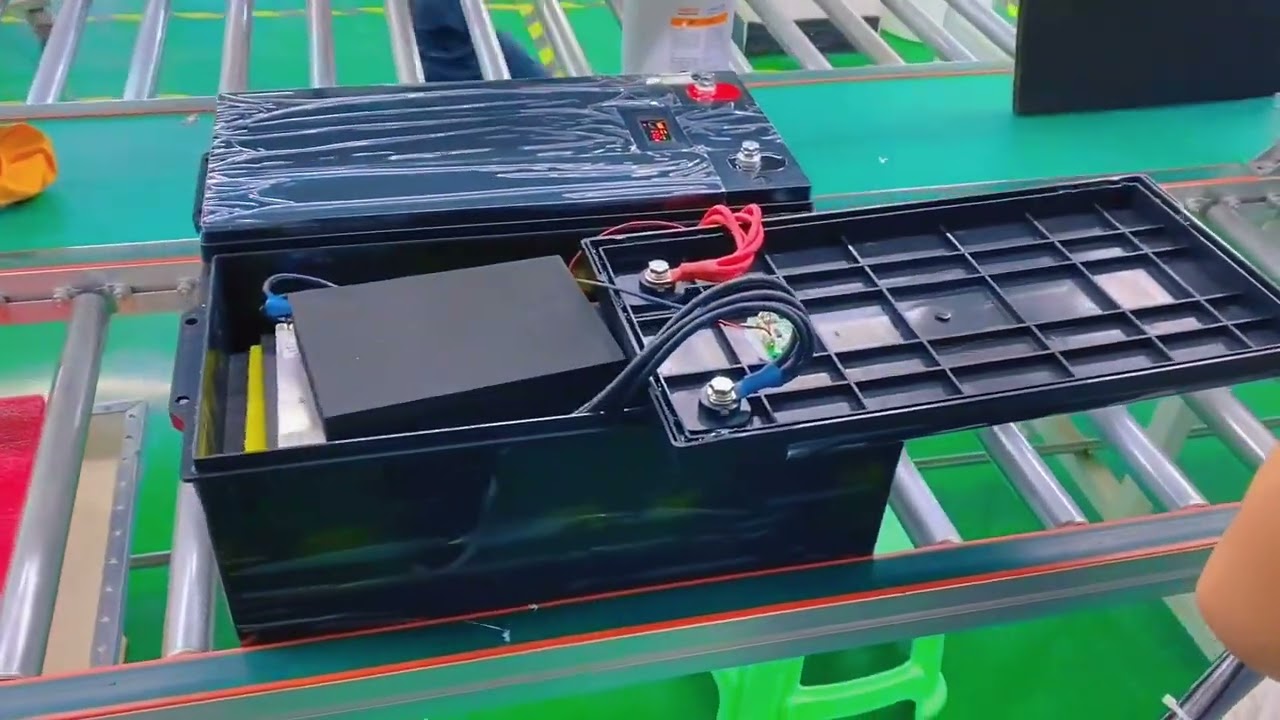 Assembly Architecture
Precision laser busbar welding, anti-vibration cell fixtures, and flame-retardant epoxy insulation designed for harsh industrial deployment.
Batteries operating in demanding environments require thermal barriers and firmware safeguards to permit low-temperature charging without lithium plating.
Datasheet cycle claims reflect controlled laboratory conditions. Real-world operating life depends on sustained Depth of Discharge (DoD), continuous C-rates, and ambient temperature. We calculate expected service life based on your exact operational load profile and duty cycles.
Yes. We select cell form factors (prismatic, cylindrical, or pouch) to maximize volumetric energy density within your physical dimensions while maintaining necessary expansion clearances and thermal venting paths.
Provide your controller’s communication specification sheet and baud rates. Our software engineers verify protocol handshakes in our test laboratory before pack assembly begins, ensuring smooth plug-and-play field integration.
Provide your operating voltage range, continuous and peak discharge profiles, dimensional envelope, and target communication protocols. Our engineering team will return a viable architecture proposal.
Mutual Non-Disclosure Agreement (NDA) signed within 2 hours.

China Premier Custom Battery Pack Manufacturer. Serving industrial, telecom, marine, robotics, and medical OEM/ODM partners across 40+ countries.
Send the application details and we will confirm whether this configuration fits your voltage, current, enclosure, and communication requirements. We will reply within one business day; please watch for an email from “@holobattery.com”.


