Nous concevons Configurations LiFePO4 de 4S à 30S alignées sur les seuils de tension des onduleurs, les limites thermiques et les contraintes d'encombrement physique.
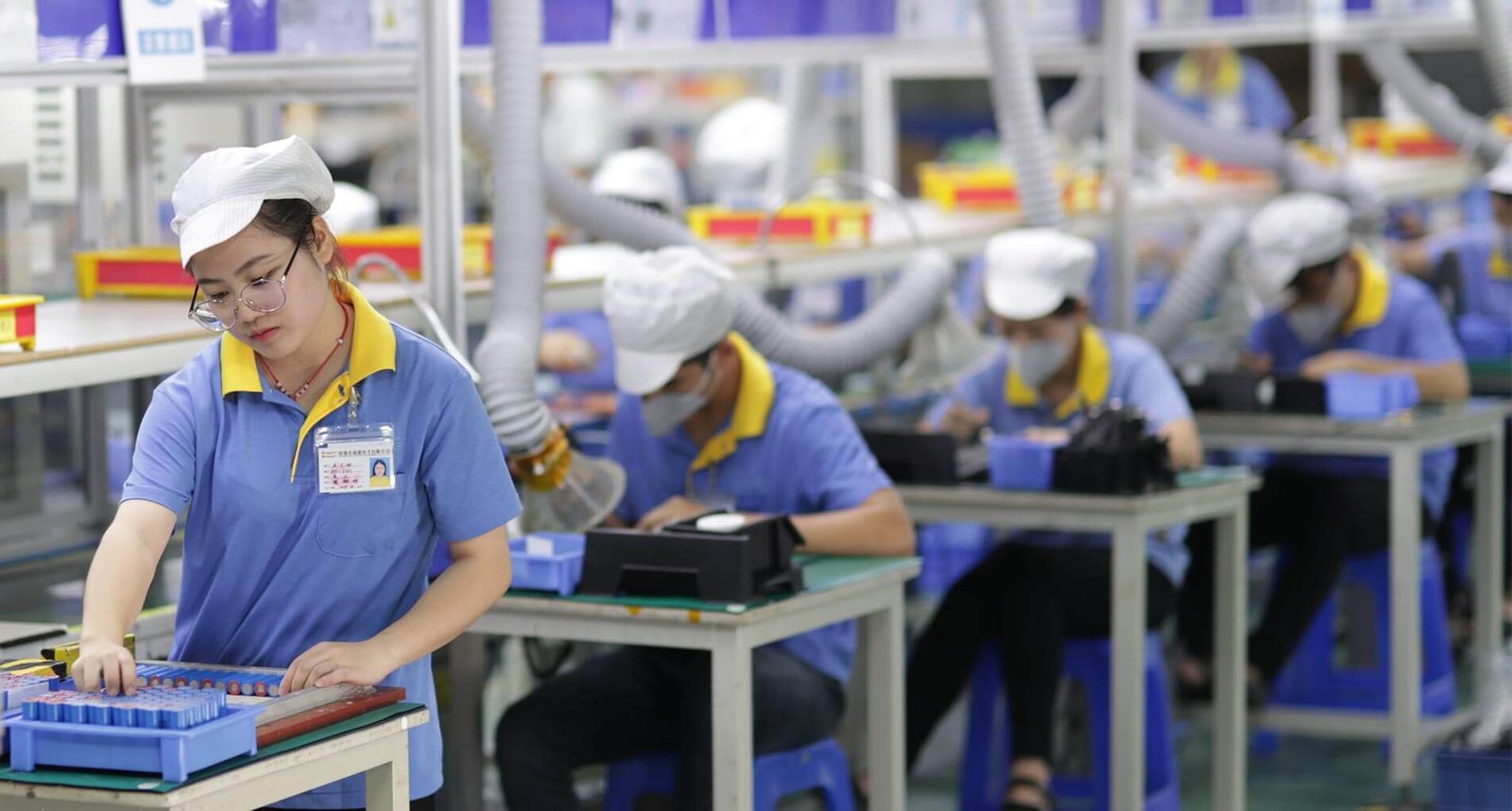
Les configurations série-parallèle des cellules déterminent les watt-heures utilisables et la longévité en cyclage. Nous adaptons le nombre structurel de cellules à vos taux de décharge continue et aux plages de fonctionnement de votre onduleur.
Batteries de service à cyclage profond, équipements logistiques AGV et nœuds distants autonomes. Disponibles avec un potting structurel renforcé pour équipements mobiles soumis à fortes vibrations.
Conçue pour la mobilité électrique légère et l'outillage industriel à couple élevé, maintenant une décharge stable sous fortes accélérations.
Architecture standard pour le stockage en rack serveur, les entrepôts automatisés robotisés et les systèmes de secours télécom exigeant des coupures de tension strictes.
Batteries de traction haute tension pour la manutention lourde, la propulsion marine et les véhicules utilitaires, avec soudure laser de barres omnibus automatisée et isolation époxy FR4.
Le Battery Management System applique activement les limites thermiques, pilote les routines d'équilibrage des cellules et exécute des coupures à faible latence sous charges de surintensité.
Logique d'algorithme
Nous analysons les cycles de repos de votre équipement. L'équilibrage actif est configuré pour les profils de cyclage profond où la divergence à long terme des cellules doit être minimisée, en alignant les courants d'équilibrage sur les périodes d'inactivité du système pour atténuer la dégradation calendaire.
Intégration du firmware
Les dialectes CANbus varient selon les fabricants d'onduleurs. Nous adaptons les registres de communication du BMS au protocole de votre contrôleur hôte (ex. Pylontech, Victron, SMA, CANopen spécifique) avant la production afin d'éliminer les problèmes d'intégration.
 Télémétrie cloud
Intégration optionnelle d'une passerelle cloud 4G/IoT. Surveillez les températures de fonctionnement des cellules, les écarts de tension cellule par cellule et les métriques de cyclage historiques de vos flottes déployées.
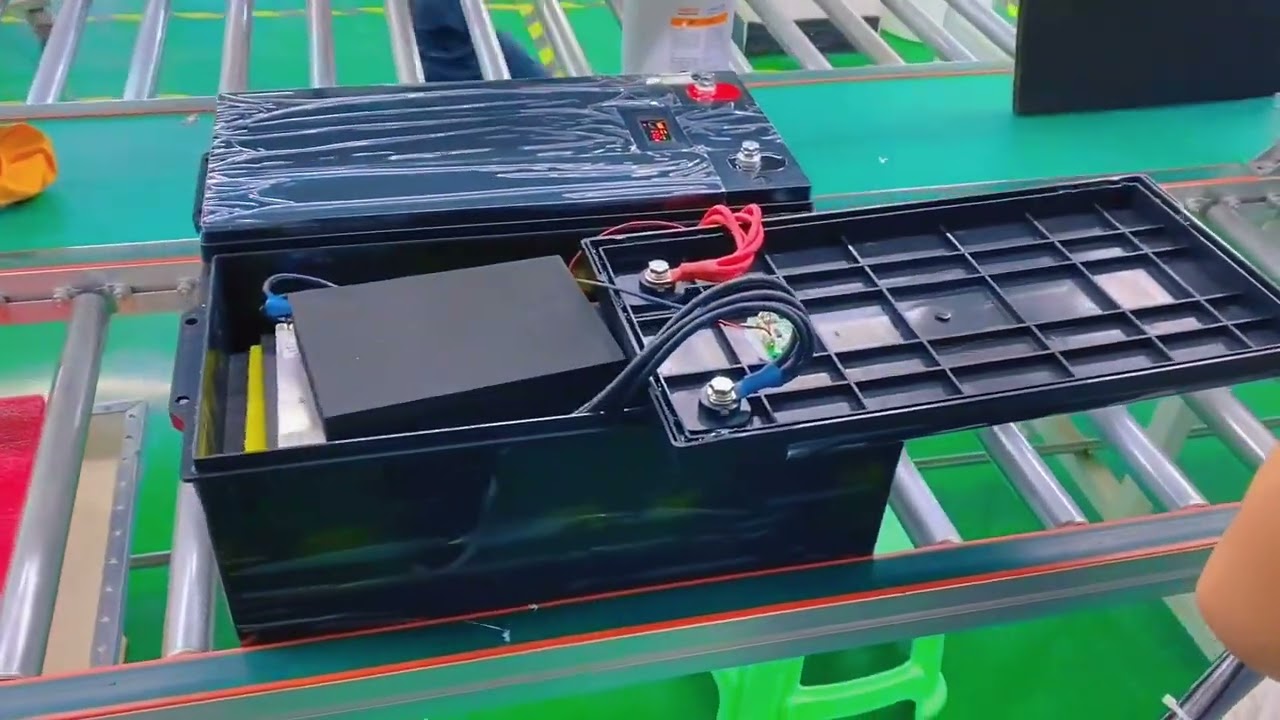 Architecture d'assemblage
Soudage laser de précision des barres omnibus, fixation anti-vibration des cellules et isolation époxy ignifuge conçues pour les déploiements industriels sévères.
Les batteries utilisées en environnements exigeants nécessitent des barrières thermiques et des dispositifs de sécurité logiciels pour autoriser la charge à basse température sans pliage de lithium.
Les cycles annoncés dans les fiches techniques reflètent des conditions de laboratoire contrôlées. La durée de vie réelle dépend de la profondeur de décharge (DoD) soutenue, des régimes C continus et de la température ambiante. Nous calculons la durée de vie attendue à partir de votre profil de charge opérationnel exact.
Oui. Nous sélectionnons le format des cellules (prismatique, cylindrique ou pouch) pour maximiser la densité énergétique volumique dans vos dimensions physiques, tout en préservant les jeux de dilatation nécessaires et les chemins d'aération thermiques.
Fournissez la fiche technique de communication et les débits en bauds de votre contrôleur. Nos ingénieurs logiciels vérifient les échanges de protocole dans notre laboratoire de test avant le début de l'assemblage du pack, garantissant ainsi une intégration plug-and-play fluide sur le terrain.
Indiquez votre plage de tension de fonctionnement, vos profils de décharge continue et de pointe, votre encombrement et vos protocoles de communication cibles. Notre équipe d'ingénierie vous proposera une architecture réalisable.
Accord mutuel de non-divulgation (NDA) signé dans les 2 heures.

Premier fabricant chinois de batteries personnalisées. Au service des partenaires OEM/ODM industriels, télécoms, marins, robotiques et médicaux dans plus de 40 pays.
Envoyez les détails de l'application et nous confirmerons si cette configuration correspond à vos exigences en matière de tension, de courant, de boîtier et de communication. Nous vous répondrons dans un délai d'un jour ouvrable ; veuillez surveiller un e-mail de "@holobattery.com".


