Battery Facts & Comparisons
What Type of Batteries Do Electric Cars Use?
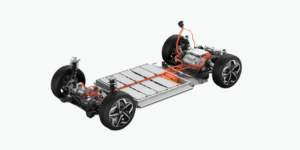
Electric cars revolutionize transportation by providing a sustainable alternative to gasoline vehicles. Their operation relies on batteries, the core component of these
Electric cars revolutionize transportation by providing a sustainable alternative to gasoline vehicles. Their operation relies on batteries, the core component of these

There is no doubt that batteries for your phone are different from those in your electric car. The application usually dictates the
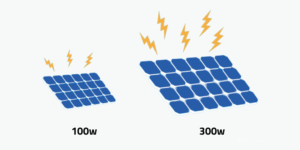
Watts measure power, indicating the rate of energy transfer or conversion. Named after Scottish inventor James Watt, this unit is vital in

Charging an 18650 cell correctly comes down to one protocol: CC-CV. The charger applies constant current until the cell reaches 4.20 volts,

Lithium and alkaline batteries are commonly used in household devices and high-performance electronics. This article explores their key differences, such as chemistry,

When wiring multiple solar panels, you can choose between series or parallel configurations based on your application. Let’s explore the differences and

Choosing a battery for your energy system can be overwhelming due to specifications like sizes, amp-hours, voltage, cycle life, and efficiency. One
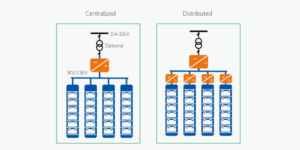
The climate crisis has made renewable energy essential, yet transitioning presents challenges, particularly in energy storage. Before adopting renewable energy, you need

Have you encountered the term cold cranking amps (CCA) when examining batteries? Understanding CCA and its differences from marine cranking amps (MCA)