Battery Facts & Comparisons
Anode vs Cathode: What Is the Difference? | Holo Battery
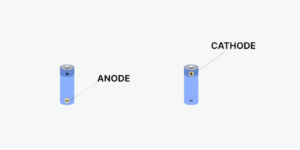
If you work with battery systems or specify industrial power packs, you encounter the terms anode and cathode daily. These two electrodes
If you work with battery systems or specify industrial power packs, you encounter the terms anode and cathode daily. These two electrodes

Energy density is key for battery storage performance. It affects capacity, versatility, and efficiency. Understanding energy density enables unlocking battery storage’s potential

Electric vehicle batteries and lithium-ion batteries for energy storage have distinct requirements, despite both being lithium-ion. Understanding their differences can help determine
Charging batteries, from laptops to electric vehicles, requires the right rate based on battery chemistry. Around 50% of our clients prefer the

Lithium-ion and lithium-polymer batteries use the same basic chemistry. The real difference is packaging. A Li-ion cell holds its liquid electrolyte inside

Battery power is now common in our daily lives, from smartphones to electric vehicles. A key battery component is the internal electrolyte,

Lithium batteries are more popular than ever, appearing in various electronics. However, not all lithium batteries are alike. Today, let’s explore the

Lithium-ion batteries are all around us, keeping our gadgets and cars running. They’re like the little engines that power our world. But

The demand for lithium-ion battery is expanding rapidly due to the growing adoption of electric vehicles and renewable energy solutions. These batteries