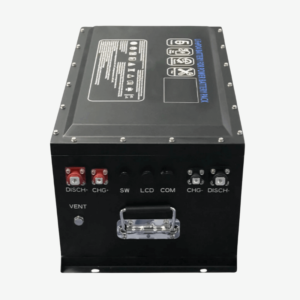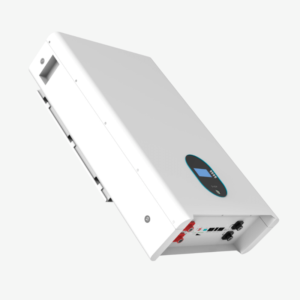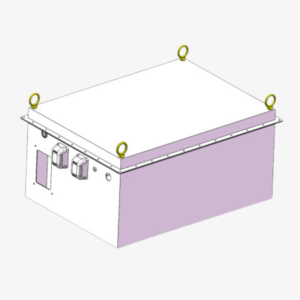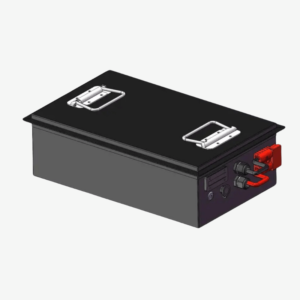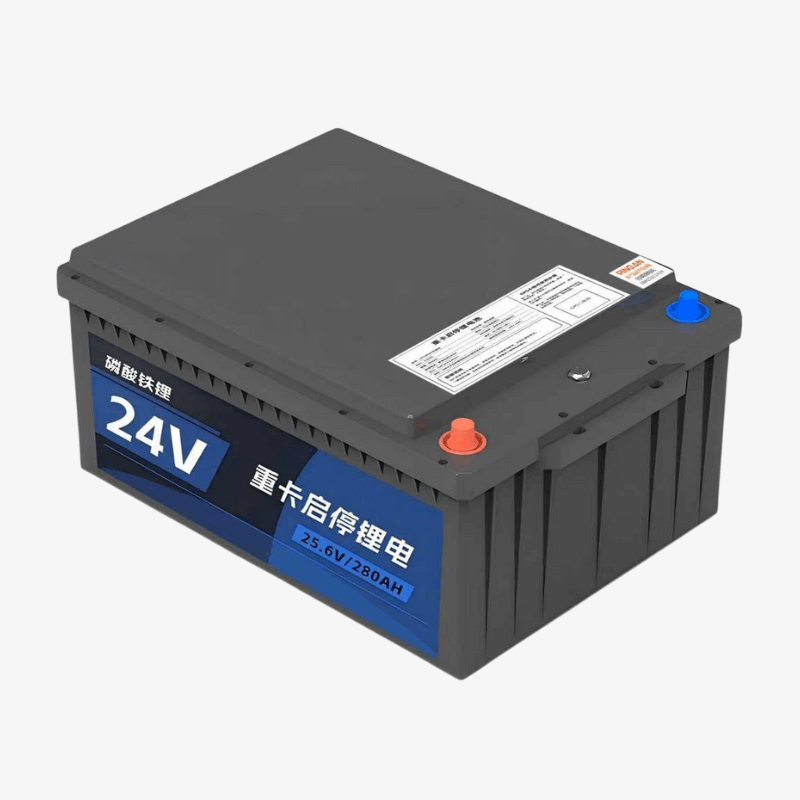
Equipped with an intelligent heating system, our 24V 280Ah low-temperature LiFePO4 battery guarantees reliable performance in extreme cold down to -30℃. With 7.16kWh capacity, 6000+ cycles, and advanced BMS protection, it’s the ultimate power solution for off-grid, marine, and automotive applications where cold weather is a challenge.
| Weight | 50 kg |
|---|---|
| Nominal Voltage | 25.6V |
| Capacity | 280Ah |
| Energy | 7.17 kWh |
| Battery Type | Li-ion Prismatic |
| Max Continuous Discharge Current | 280A (Peak 560A, 60s) |
| Charging Current | 56A |
| Dimensions | 526 x 363 x 234 mm |
| Charging Temperature | 0~55°C |
| Discharging Temperature | -30~55°C |
| Storage Temperature | 0~40°C |
A 25.6V 280Ah LiFePO4 starting battery for engine cranking and start-stop duty, replacing lead-acid in a smaller, lighter envelope. Nominal energy is approximately 7.17 kWh (calculated from nominal voltage and rated capacity; delivered usable energy depends on discharge current, operating temperature, cutoff voltage, and application duty cycle). The pack delivers 280A continuous discharge current, with peak discharge capability up to 560A (60s pulse duration, subject to thermal and BMS limits), rated at a full 1C draw, with headroom for the surge loads motive duty demands.
Charging at 56A brings it to full in roughly 5.5 hours. The operating window is -30~55°C on discharge and 0~55°C on charge. The pack measures 526 x 363 x 234 mm and weighs 50 kg.
Within our 24V range this sits between the 210Ah and 300Ah builds. If your runtime target is tighter than expected once we model the duty cycle, the 300Ah configuration is the usual next step; if weight or envelope is the binding constraint, the 210Ah build is lighter.
We build to the battery box: case format, terminal position and polarity, cranking rating. Cold-weather behaviour is the item worth discussing early, since it drives both chemistry and heating decisions.
Will it work with our existing alternator and charging system?
In most cases, but voltage regulation matters. Send the charging voltage range and we confirm compatibility.
How does it behave in cold weather?
Charging is limited at low temperature, which is the main difference from lead-acid. Tell us your minimum ambient and we discuss heating or chemistry options.
Grade A prismatic LFP cells, generally specified with UL recognition at cell level. Every pack ships with a UN38.3 test summary and MSDS prepared for air, sea and road transport. Assembly and testing take around 7 working days. Cell supply is what sets the overall schedule: when the cells your design needs are in stock, samples ship in 12–15 working days; when they have to be sourced, allow 20–25. Tell us your target date early and we will confirm cell availability before you commit to it. Production runs 30–35 working days. There is no minimum order quantity — this is a custom design business and we quote single units, with pricing improving noticeably from 100 packs upward. LiFePO4 warranty typically runs 3–5 years, set against the discharge duty of the application; high-rate cycling shortens it.
Our engineering division designs bespoke battery packs with CANBUS, RS485, custom aluminum enclosures, and matched chargers.

China Premier Custom Battery Pack Manufacturer. Serving industrial, telecom, marine, robotics, and medical OEM/ODM partners across 40+ countries.
Send the application details and we will confirm whether this configuration fits your voltage, current, enclosure, and communication requirements. We will reply within one business day; please watch for an email from “@holobattery.com”.