
Battery Facts & Comparisons
Punctured Lithium-Ion Battery: What Happens?
Lithium-ion batteries are essential today, powering devices from smartphones to electric vehicles due to their high energy density and longevity. However, punctures
Lithium-ion batteries are essential today, powering devices from smartphones to electric vehicles due to their high energy density and longevity. However, punctures
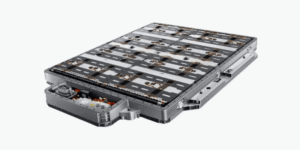
Semi-solid state batteries, a new battery technology, offer advantages over lithium batteries. This article defines them, compares them to lithium batteries, discusses
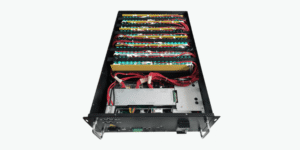
A UPS (Uninterruptible Power Supply) battery is the key component of a UPS system, providing instant backup power during outages or fluctuations.
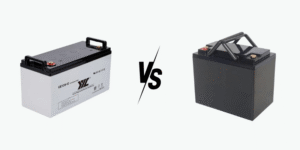
Choosing between a gel battery and a lithium battery can be tricky. In this article, we’ll explore their compositions, advantages, and disadvantages.
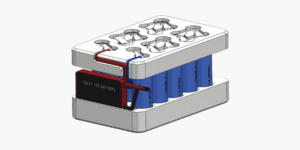
The demand for longer runtimes drives the development of durable, powerful batteries for industrial equipment, outdoor tools, and electric vehicles. High-capacity lithium-ion
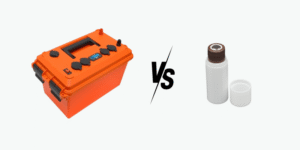
Curious about the difference between a battery case and a battery casing? Both are essential in electronics but serve different purposes. This
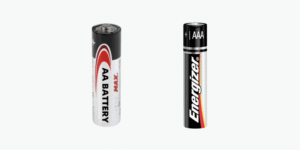
AA and AAA batteries look almost identical, but they are not interchangeable. The difference comes down to size. An AA cell is

Deep discharge involves using most of a battery’s power, often 80% or more. To get the best out of deep-cycle batteries, understanding

Choosing between lithium-ion and nickel-cadmium batteries requires understanding their key differences. This article outlines their features, pros, and cons. By the end,