Battery Facts & Comparisons
Sodium Battery vs Lithium Battery
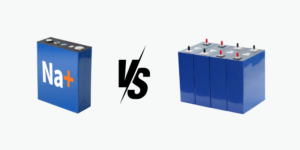
On paper, sodium-ion and lithium batteries look almost identical. Both shuffle ions between a cathode and an anode, both come in standard
On paper, sodium-ion and lithium batteries look almost identical. Both shuffle ions between a cathode and an anode, both come in standard
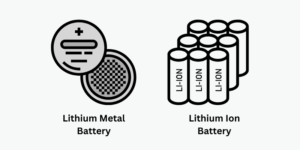
In energy storage, lithium-based batteries are essential for powering everything from gadgets to electric cars. There are two main types: lithium-metal and
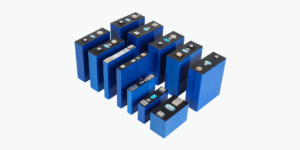
Lithium iron phosphate batteries, commonly called LiFePO4 or LFP batteries, are rechargeable lithium-ion batteries known for strong thermal stability, long service life,
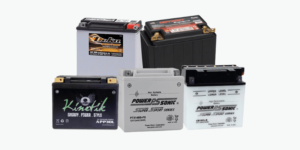
Powersport and motorcycle batteries are primarily of two types: lead acid and lithium, each with sub-variants. Lead batteries include flooded, AGM, gel,
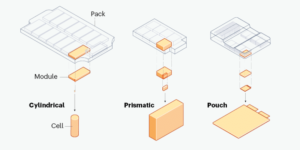
Understanding the distinctions between battery cells, modules, and packs is key for designing efficient energy storage systems. This article explores their construction,
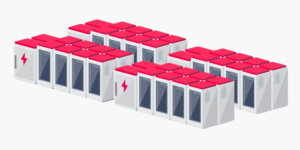
Battery energy storage is essential for a sustainable and resilient energy system. It stores electricity for later use, supporting the shift from
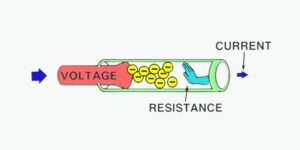
Power is used in homes, RVs, boats, and more, whether from the grid or solar panels. Understanding amps is essential because they
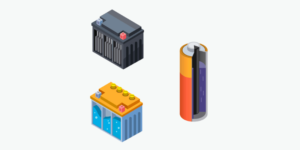
Dry cell and wet cell batteries differ in one fundamental way: whether the electrolyte can move. In a dry cell, the electrolyte

The lithium battery industry has made significant progress to meet the rising power demands of electronics and equipment, including power tools, cars,